

Tokens vs Tap-to-Play: Why Modern Operators are Switching to Card Reader for Arcade
The gentle clink of metal tokens dropping into a plastic cup was once the defining soundtrack of amusement centers. For decades, the token system served as the gold standard of arcade operations. Players would feed paper bills into a change machine, collect their metal coins, and walk from cabinet to cabinet, dropping physical currency into coin slots to buy a few minutes of digital thrills.
However, as consumer habits have evolved toward frictionless, cashless transactions, traditional coins and physical tokens are rapidly becoming relics of the past. Today’s entertainment landscape demands speed, convenience, and detailed backend insight. To meet these expectations, modern venue operators are systematically phasing out physical tokens in favor of digital tap-to-play systems. If you are looking to future-proof your business, upgrading to a modern card reader for arcade setups is no longer just an innovative option—it has become a necessity for operational survival.
By replacing mechanical coin drop slots with digital tapping mechanisms, amusement centers can significantly elevate the guest experience while unlocking powerful new operational capabilities. In this deep dive, we will explore why physical tokens are losing their appeal, how the tap-to-play model functions, and why deploying a dedicated card reader for arcade cabinets is the most practical path forward for modern operators. Along the way, we will also highlight how advanced platforms like synthiaX step in to provide the essential card reader for arcade infrastructure needed to drive this digital shift.
Traditional Token System
To appreciate where the amusement industry is heading, it is helpful to look back at the mechanics of the classic token system. Introduced as a way to prevent cash-box theft and bypass local currency regulations, physical tokens acted as an internal currency for family entertainment centers (FECs). Players traded real cash for proprietary metal coins that had no value outside the venue’s walls.
While this system worked well for the late 20th century, it introduces significant friction into modern business models. Running a token-based venue requires constant manual labor. Employees must regularly empty heavy coin tubs from each machine, transport them to sorting tables, clean them, and refill the change dispensers.
Furthermore, mechanical coin acceptors are notorious for jamming. Dust, grease, bent tokens, and foreign coins frequently clog coin slots, leading to machine downtime and missed revenue. If a game is out of order because of a token jam, players walk away disappointed. Traditional setups also lack security; physical tokens can easily be stolen, lost, counterfeited, or hoarded by guests, making it difficult for operators to reconcile daily revenue. When compared to the streamlined flow of a card reader for arcade terminals, the traditional token model simply cannot deliver the level of efficiency modern operators require to scale their businesses.
Tap-to-Play Model
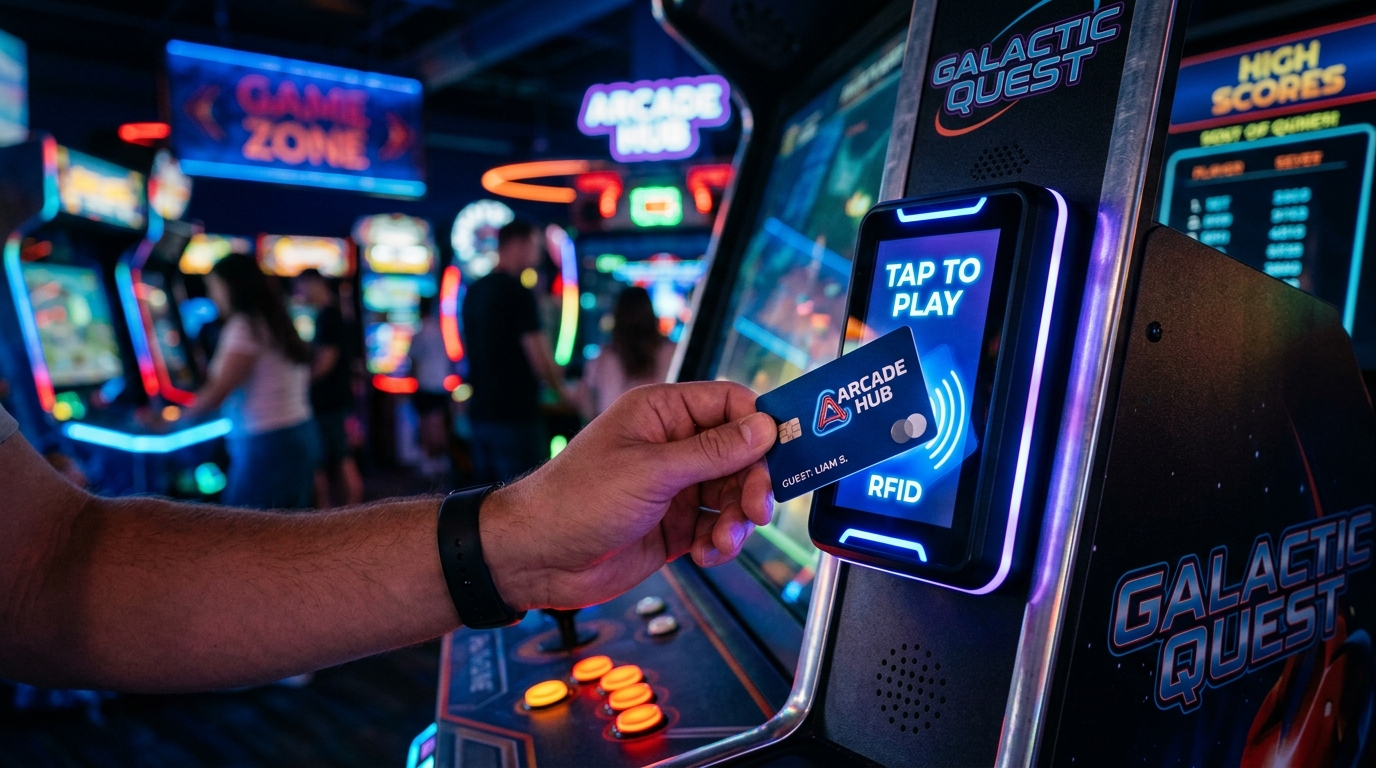
The tap-to-play model represents a complete modernization of the arcade ecosystem. Instead of handling physical currency or metal tokens, guests use a single RFID (Radio Frequency Identification) card, magnetic stripe card, or wearable wristband to play games. These cards are loaded with digital credits or play time at a central kiosk, via a mobile app, or at a front counter.
When a player approaches a game cabinet, they simply tap their card against an interactive card reader for arcade machines. Within milliseconds, the reader communicates with a secure local server or cloud network, deducts the precise amount of credits required for that game, and activates the machine.
+------------------+      TAPs      +-----------------------+      Updates      +-------------------+
|   Player Card/   | -------------> | Card Reader for Arcade| ----------------> |  Central Server/  |
|  Mobile Device   |                |  (Installed on Game)  |                   |   Cloud Database  |
+------------------+                +-----------------------+                   +-------------------+
This seamless interaction relies on smart, networked hardware. The presence of a highly visible card reader for arcade setups keeps players focused entirely on the fun rather than counting physical change. Because the underlying software integrates directly with each card reader for arcade unit, transaction speeds are nearly instantaneous. This modern tap-to-play model removes physical barriers from the gaming loop, helping operators capture spontaneous play that might have otherwise been lost when a user ran out of physical tokens.
Advantages of Tap-to-Play Over Tokens
Transitioning to a digital card-based platform offers clear, measurable advantages across every facet of arcade operations. Below, we break down why deploying a card reader for arcade systems outclasses traditional token models in five key areas.
1. Drastic Reduction in Maintenance and Downtime
Mechanical coin drops contain moving parts that wear down, collect dirt, and require routine maintenance. One of the primary operational benefits of installing a card reader for arcade setups is the near-total elimination of mechanical component failures. Because card readers do not rely on moving gears to process payments, they experience far fewer hardware failures. This keeps your games online and generating revenue, freeing your technicians to focus on preventative cabinet maintenance rather than clearing coin jams.
2. Flexible, Dynamic Pricing and Upselling
With physical tokens, operators are locked into rigid pricing structures. If a game costs one token, raising the price requires doubling it to two tokens, a steep 100% price increase that guests will notice.
By utilizing a digital card reader for arcade machines, pricing becomes completely fluid. You can price a game at 4.5 credits, 6.2 credits, or any fraction you choose. This flexibility allows you to easily implement dynamic pricing strategies, such as:
- Happy Hour Discounts: Automatically lowering game prices during slow weekday afternoons to boost foot traffic.
- VIP Tiers: Offering loyal customers discounted per-play rates.
- Dynamic Peak Pricing: Slightly raising the cost of highly popular rides or VR attractions during busy weekend nights.
3. Detailed Data Analytics and Business Intelligence
A major limitation of the token model is its lack of trackable data. Operators cannot easily determine which specific games are driving the most revenue, how long players stay at individual cabinets, or which games are underperforming.
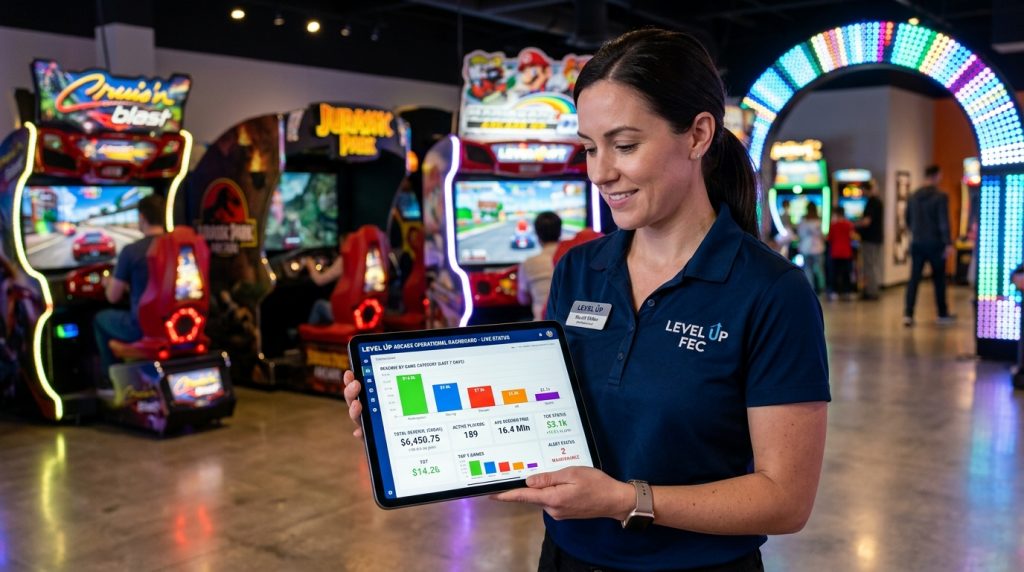
A modern card reader for arcade systems solves this blind spot by logging every single transaction. Every tap is tracked in real-time, providing operators with actionable business intelligence. You can easily view daily earnings reports, identify underperforming cabinets that need to be rotated out, and track player flow across your floor to optimize your layout.
| Metric | Traditional Token System | Tap-to-Play Card System |
| Pricing Flexibility | Extremely rigid (multiples of 1 coin) | Highly flexible (fractional credits) |
| Data Collection | Manual, labor-intensive counting | Automated, real-time analytics |
| Labor Costs | High (sorting, washing, restocking) | Low (purely digital administration) |
| Security Risks | High (theft, physical loss, counterfeits) | Minimal (encrypted digital balances) |
| Downtime Risk | High (frequent mechanical jams) | Very Low (no moving parts) |
4. Superior Customer Experience and Loyalty Programs
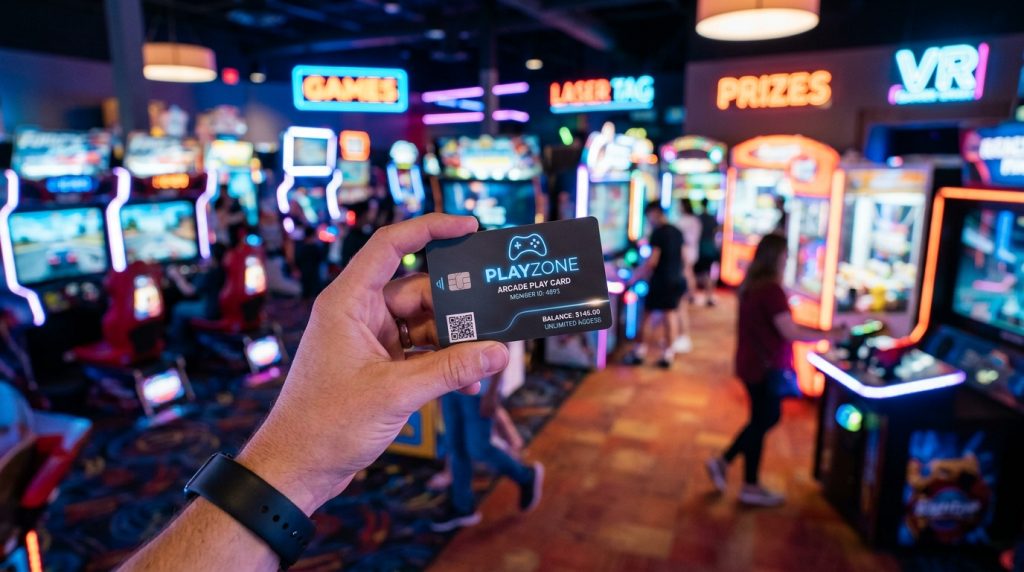
Carrying around bulky cups of dirty metal coins can detract from the modern guest experience. A clean, branded play card is lightweight, fits easily in a pocket, and can be saved for future visits.
Furthermore, integrating a loyalty program directly into your card reader for arcade units encourages repeat visits. Players can register their cards online, check their balances, track their high scores, and accumulate digital ticket points for prize redemption. If they lose their physical card, your staff can easily deactivate the lost card and transfer the remaining balance to a new one—an impossible feat with a cup of lost tokens.
5. Enhanced Security and Internal Shrinkage Protection
Handling cash and physical tokens carries inherent security risks. Employees must handle large volumes of physical money, exposing your business to internal theft and counting errors.
Transitioning your games to a cashless network significantly reduces these vulnerabilities. Because players buy credits at a central kiosk or front counter, cash is kept in a secure, audited location rather than scattered across dozens of individual cabinet coin boxes. When choosing the right card reader for arcade units, operators can protect their revenue from both external theft and internal shrinkage. Utilizing systems like synthiaX makes upgrading to a secure card reader for arcade network straightforward, reliable, and highly secure.
Upgrading Beyond the Coin Cup
To understand the real-world impact of this technological shift, let us look at the transition made by “Pixel Play Oasis,” a mid-sized family entertainment center featuring 65 classic and modern arcade games.
[ Before: Token System ]                   [ After: Card Reader for Arcade ]

    * Constant physical token jams             * Zero coin jams / 99.9% uptime
    * Employees spent 12 hours/week sorting    * Employee hours redirected to guest service
    * No customer spending insights            * Detailed player analytics & heatmaps
    * Clunky, physical tickets for prizes      * Automated digital prize point tracking
For years, Pixel Play Oasis struggled with high maintenance costs and frequent token jams on their high-ticket redemption games. Their technicians spent roughly 12 hours every week clearing jammed slots, cleaning dirty tokens, and manually counting physical collections to balance the books. Additionally, because players had to carry physical ticket slips to the redemption counter, checkout lines were long, and tickets were often lost or damaged.
Seeking a more sustainable operational model, the owners decided to install a dedicated card reader for arcade system across all 65 cabinets. By selecting the synthiaX card reader for arcade solution, Pixel Play Oasis completely transformed their floor operations.
The results of this transition were visible within the first three months:
- Operational Efficiency: Technicians spent significantly less time fixing coin slots and redirected their focus to assisting guests on the floor, proving that upgrading to a card reader for arcade framework streamlines overall labor.
- Increased Spend: Average spend-per-head increased by 22%. The ease of tapping a card on a card reader for arcade unit made game selection frictionless, encouraging visitors to play more games per visit.
- Simplified Redemption: Tickets were instantly saved onto the players’ digital profiles, eliminating paper waste and reducing redemption checkout lines by 40%.
- Informed Decisions: Utilizing the real-time data from synthiaX, management was able to identify three underperforming cabinets and replace them with high-earning redemption machines, further maximizing floor profitability.
Frequently Asked Questions
Is implementing a card reader for arcade platforms expensive?
While the initial hardware and installation of a card reader for arcade network require upfront capital, the return on investment is often realized quickly. Operators typically see an immediate boost in revenue due to flexible pricing, coupled with a drop in labor costs and maintenance overhead. Over time, the system practically pays for itself through increased uptime and improved floor efficiency.
Can classic cabinets be retrofitted with a card reader for arcade?
Yes. Most modern cashless platforms are designed to be highly compatible. A standard card reader for arcade unit can easily interface with older, classic cabinets by connecting directly to the game’s standard coin-drop input lines, allowing you to enjoy cashless benefits on vintage machines without losing their nostalgic appeal.
What happens if the internet goes down when using a card reader for arcade?
Enterprise-grade systems are built to withstand temporary network disruptions. High-quality systems like synthiaX include offline processing capabilities. If the primary network connection drops, the local server and the individual card reader for arcade units can continue to authenticate taps and log play data locally, syncing back to the cloud once the connection is restored to prevent any interruptions in play.
How does a card reader for arcade improve ticket dispensing?
Instead of dispensing thousands of physical paper tickets that clutter your floor and require constant restocking, a cashless card reader instantly adds digital ticket balances directly to the player’s account. This saves money on paper rolls and speeds up the checkout process at your redemption counter.
Modernize Your Arcade Operations Today
The debate between tokens and tap-to-play has reached a clear conclusion. While tokens hold a nostalgic place in gaming history, they struggle to keep pace with the efficiency, security, and convenience demanded by modern consumers and operators. Upgrading your venue to a cashless card reader for arcade framework is a proven way to increase spend-per-head, minimize downtime, and gather the business intelligence needed to grow your operations.
If you are ready to retire the coin cup and elevate your venue’s profitability, synthiaX offers a premier card reader for arcade platform built to simplify this transition. With reliable hardware, an intuitive software backend, and seamless integration capabilities, synthiaX provides the robust tools you need to streamline daily operations. Contact the team at synthiaX to explore their modern solutions and discover how a dedicated card reader for arcade system can redefine your entertainment business today.