

How Do Card Scanners Work? A Complete Guide to Modern Cashless Systems
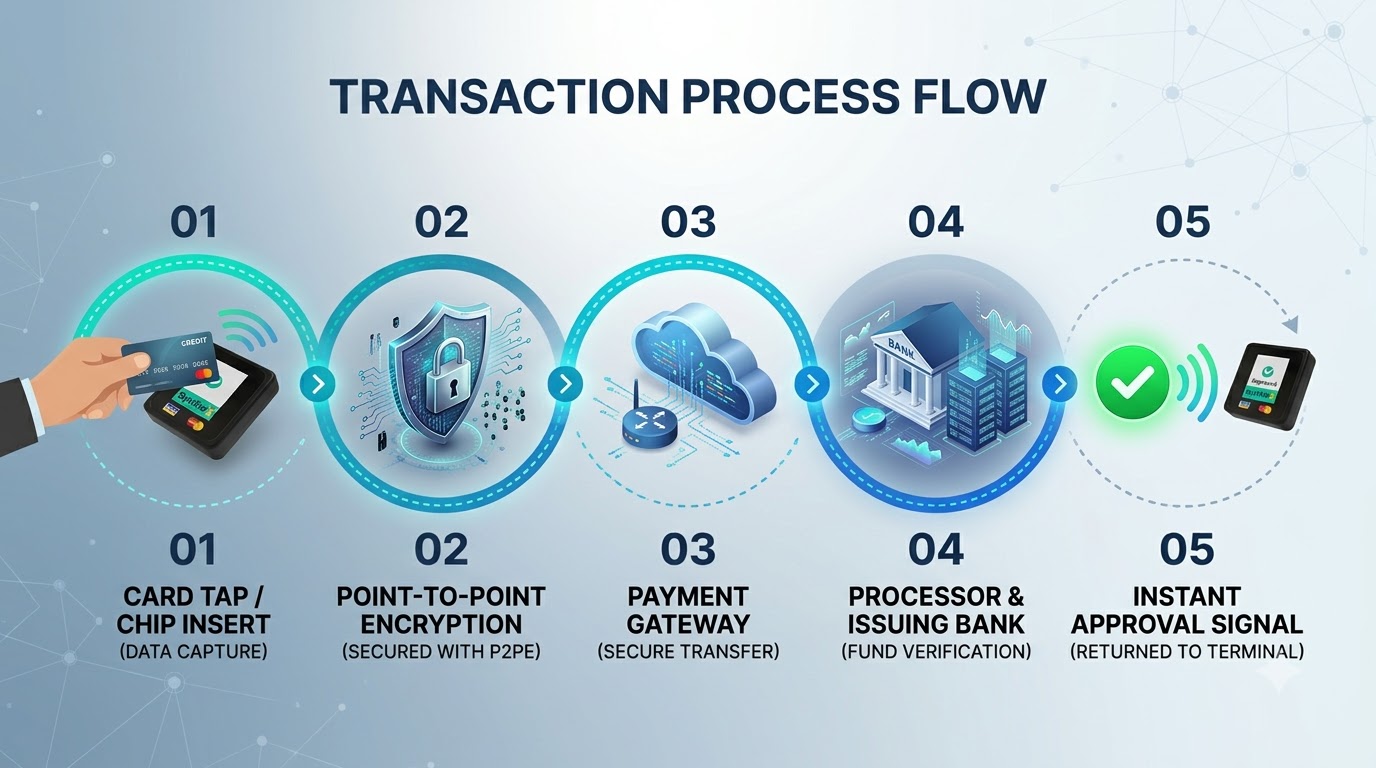
Have you ever tapped your credit card or phone against a payment terminal and wondered what happens in those few seconds? Card scanners work by capturing encrypted payment data from a card’s chip, magnetic stripe, or radio frequency tag, transmitting that information securely through a payment gateway, and verifying fund availability with the issuing bank within seconds.
Today, whether you are buying a cold beverage, loading credits at an arcade, or doing your weekly laundry, cashless hardware powers our everyday convenience. As consumers carry less cash than ever, businesses that rely on self-service and unattended retail must adapt.
In this comprehensive guide, we explore how card scanners function, the underlying technologies that protect your transactions, and why upgrading to modern cashless payment solutions can transform your operations.
What Are Card Scanners?
Card scanners are electronic devices designed to read, decode, and transmit financial data stored on credit cards, debit cards, prepaid smart cards, and mobile wallets. Often referred to interchangeably as card readers, POS terminals, or cashless payment validators, these devices bridge the physical gap between a customer’s payment medium and the global banking network.
Over the years, card scanners have evolved from mechanical imprint machines into compact microcomputers. Early electronic card scanners relied exclusively on reading physical magnetic strips. Contemporary card scanners, however, feature multi-technology sensor heads capable of processing contact chips, Near Field Communication (NFC) signals, and mobile wallets like Apple Pay and Google Pay.
In self-service and automated industries, card scanners must be compact, weather-resistant, and energy-efficient. They mount directly onto vending machines, arcade cabinets, turnstiles, and automated kiosks, providing an immediate payment touchpoint that operates 24/7 without manual cashier supervision.
How Card Scanners Work: Step-by-Step Breakdown
Understanding how card scanners operate requires looking under the hood at both physical data collection and back-end communication networks. While a transaction appears instantaneous to the user, several intricate steps occur in the background.
Code
+---------------+       +------------------+       +-------------------+
| Customer Card | ----> |   Card Scanner   | ----> |  Payment Gateway  |
+---------------+       +------------------+       +-------------------+
                                                             |
                                                             v
+---------------+       +------------------+       +-------------------+
|  Bank Account | <---- |   Issuing Bank   | <---- | Payment Processor |
| (Funds Move)  |       |   (Authorize)    |       |     (Network)     |
+---------------+       +------------------+       +-------------------+
1. Data Capture Technologies
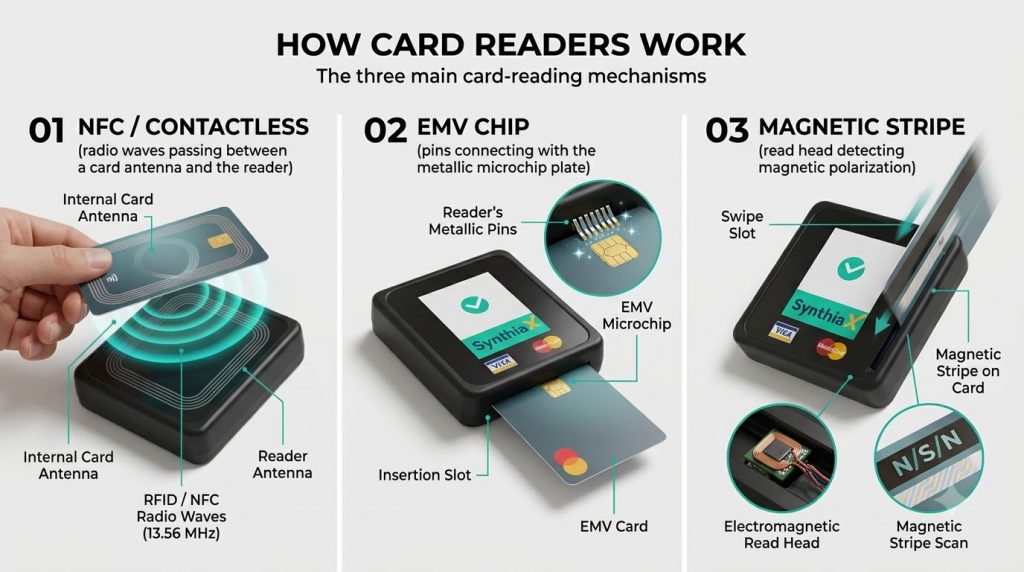
A transaction begins when the customer presents their payment medium to the reader. Modern card scanners generally support three main methods of reading customer credentials:
A. Radio Frequency Identification (RFID) and Near Field Communication (NFC)
Contactless payments rely on high-frequency radio waves running at 13.56 MHz. When a contactless card, smartphone, or wearable comes within two to four centimeters of the reader, the terminal antenna creates an electromagnetic field. This field powers the tiny microchip inside the card, allowing it to exchange cryptographic tokens with the reader. Because no direct physical contact is required, NFC card scanners offer the fastest throughput and suffer the least mechanical wear and tear.
B. EMV Chip Technology (EuroPay, MasterCard, and Visa)
When a card is inserted into a slot, physical pins connect with the metallic contact plate of the EMV chip. Unlike older magnetic stripes that store static information, the microchip acts as an onboard computer. It generates a unique, one-time transaction code (cryptogram) for every single purchase. If a thief intercepts this code, it cannot be reused to make another purchase, making EMV card scanners exceptionally resistant to counterfeit fraud.
C. Magnetic Stripe Reading
Magnetic stripes contain three tracks of static data encoded on microscopic iron-based particles. When a customer swipes the card, the read head of the scanner detects magnetic field changes and converts them into binary numbers. While still maintained as a legacy backup in many regions, magnetic swipe technology is gradually being phased out due to security vulnerabilities like skimming.
2. Encryption and Tokenization
The moment the read head or antenna captures the card information, the scanner internal processor secures the raw data. Advanced card scanners implement Point-to-Point Encryption (P2PE). The terminal encrypts the sensitive primary account number (PAN) before the data ever leaves the device hardware. The raw data remains encrypted as it travels through local networks, preventing interception by malicious third parties.
3. Transmission via Payment Gateway
Once encrypted, the device transmits the data payload using an internet connection. In unattended environments, card scanners use cellular modems (4G/5G LTE), local Wi-Fi, or hardwired Ethernet cables. The data travels directly to a payment gateway, an online routing service that acts as the digital counterpart to a physical POS terminal.
4. Processor Routing and Network Verification
The payment gateway forwards the encrypted transaction to an acquiring processor. The processor determines which card network manages the account (such as Visa, Mastercard, or American Express) and sends the request across that network to the customer’s issuing bank.
5. Authorization and Settlement
The issuing bank checks two essential factors:
- Does the account have sufficient funds or available credit to cover the purchase?
- Does the transaction trigger any automated fraud detection flags?
If the criteria are met, the issuing bank sends an authorization code back through the card network and payment gateway to the terminal. The card scanner displays an approval screen, beeps, and triggers the host machine to dispense the item or start the service. This entire loop routinely finishes in less than two seconds.
Why Your Business Needs Modern Card Scanners
Shifting consumer behavior has made cash-only operations obsolete. Investing in updated card scanners is no longer just an upgrade; it is a fundamental business necessity.
1. Higher Average Transaction Value
Consumers spend more money when they pay with cards or digital wallets than when paying with physical cash. Without the psychological barrier of handing over paper bills, customers are willing to buy higher-tier items, select add-ons, or play multiple arcade rounds consecutively.
2. Elimination of Cash Handling Costs
Managing physical cash carries substantial hidden expenses. Business owners must routinely empty bill validators, count coins, prepare bank deposits, and transport physical currency. Moreover, cash drawers are vulnerable to employee theft and vandalism. By outfitting machines with card scanners, you dramatically cut labor costs and eliminate manual counting errors.
3. Real-Time Telemetry and Operational Visibility
Modern card scanners do not just process money; they also gather operational data. Advanced cashless systems connect directly to machine controllers via standard protocols like MDB (Multi-Drop Bus). This gives business owners real-time inventory tracking, alerts for technical errors, and comprehensive sales reports through cloud-based dashboards.
4. Enhanced Customer Convenience and Speed
Speed matters in high-volume retail. Contactless card scanners complete transactions in under three seconds, reducing queue times. Customers who do not carry paper currency will walk past a cash-only machine, but intuitive tap-and-pay card scanners capture these impulse sales immediately.
Which Industries Rely on Modern Card Scanners?
Unattended retail and entertainment venues represent the fastest-growing sector for cashless integration. Below are the primary industries where card scanners have become indispensable:
1. Vending Machines
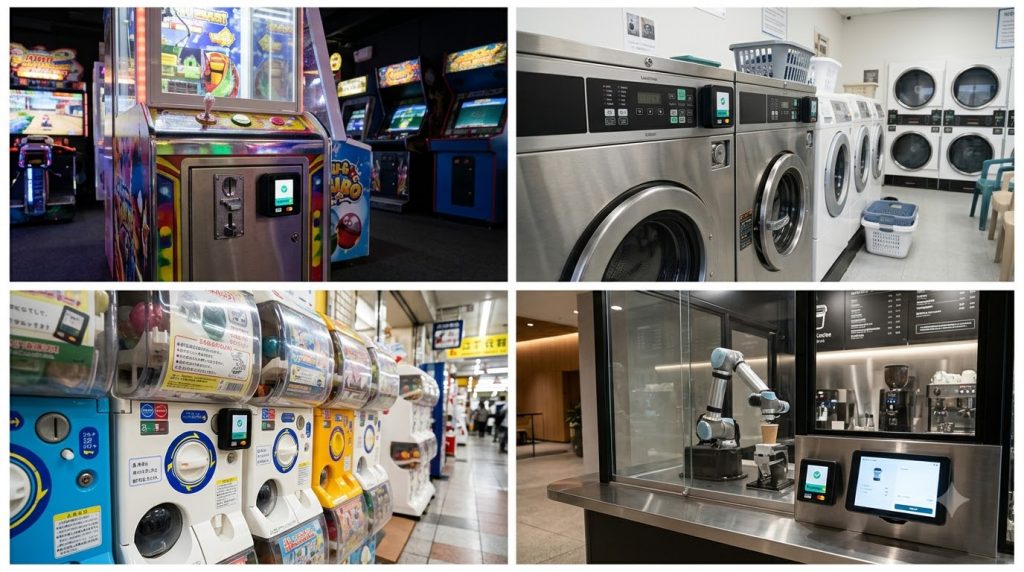
Traditional snack and beverage machines once relied entirely on coins and dollar bills. Today, card scanners are standard equipment across vending fleets. Cashless terminals allow operators to sell premium items like electronics, cosmetics, and packaged meals that exceed the practical price point of paper bills.
2. Arcades
Family entertainment centers and modern arcades have almost completely eliminated physical tokens and tickets. Instead, players tap their payment cards or game cards at arcade card scanners installed on each cabinet. Operators can dynamically adjust pricing during peak hours and run automated promotional packages without re-calibrating physical coin slots.
3. Amusement Parks
Amusement parks experience massive foot traffic where queue management is vital. Point-of-sale card scanners and unattended kiosks allow guests to purchase ride tickets, rent lockers, and buy refreshments without bottlenecking staff. The speed of contactless card scanners keeps crowds moving smoothly throughout the park.
4. Laundromats
Laundromats were historically dependent on quarters, requiring owners to store large amounts of coin inventory and fix frequent coin jams. Installing card scanners on washing machines and dryers allows patrons to pay with credit cards, loyalty cards, or mobile phones. Operators save dozens of hours each month by removing coin collection routines.
5. Kiddie Rides
Small coin-operated rides outside supermarkets and shopping malls often lose revenue simply because parents do not carry loose change. Retrofitting kiddie rides with compact card scanners lets parents tap their cards or phones to start the ride, unlocking consistent revenue from previously missed opportunities.
6. Coffee Vending
Automated specialty coffee kiosks deliver high-margin gourmet beverages. Because these drinks are priced higher than traditional canned sodas, consumers demand flexible payment options. Card scanners ensure quick morning transactions for busy commuters rushing to catch trains or head into office suites.
7. Gacha and Capsule Toy Vending
The Japanese capsule toy trend, known as Gacha, has exploded worldwide. Traditionally operated by turning a mechanical dial with high-denomination coins, capsule vending racks are now transitioning to digital formats. Retrofitted card scanners let users tap their card to dispense high-end collectible toys, removing the price ceilings imposed by physical coin slots.
Comparing Cash vs. Card Scanner Operations
To see the practical impact of modern card scanners, look at how traditional cash operations contrast with cashless management across key operational areas:
| Operational Metric | Traditional Cash Operations | Modern Card Scanner Operations |
| Transaction Speed | Slow; requires feeding bills, counting coins, and waiting for change. | Instant; tap-and-go transactions complete in seconds. |
| Theft & Shrinkage | High risk of physical break-ins, pilfering, and internal handling theft. | Zero cash on hand; all revenue transfers directly to your bank account. |
| Operational Labor | High; manual coin clearing, counting, and frequent bank trips required. | Low; automated reconciliation and digital tracking minimize human labor. |
| Pricing Flexibility | Restricted to round figures compatible with coin mechanisms. | Fully flexible; set prices to odd numbers, apply taxes, or use surge pricing. |
| Customer Reach | Limited solely to patrons carrying physical currency. | Universal; accepts credit, debit, prepaid cards, and mobile wallets. |
| Maintenance Issues | Frequent mechanical bill jams, coin jams, and physical validator wear. | High durability; minimal moving parts on contactless sensor units. |
Why SynthiaX Is the Premier Cashless Solution
When choosing an end-to-end payment system for automated retail and entertainment machines, hardware reliability and software clarity are critical. SynthiaX stands out as the ultimate modern solution for business operators looking to future-proof their unattended terminals.
+-------------------------------------------------------+
|                 SynthiaX Ecosystem                    |
|                                                       |
|   +-------------------+       +-------------------+   |
|   |  Durable Card     | ----> | Cloud Management  |   |
|   |  Scanners         |       | Platform          |   |
|   +-------------------+       +-------------------+   |
|             |                           |             |
|             v                           v             |
|   Multi-Industry Support       Real-Time Financials   |
|   (Arcade, Vending, etc.)      & Remote Diagnostics   |
+-------------------------------------------------------+
As an industry leader, SynthiaX engineers specialized card scanners built specifically to handle the demands of vending machines, laundromats, arcades, and amusement setups. Whether your machines sit indoors or face fluctuating outdoor weather conditions, the durable card scanners provided by SynthiaX deliver high uptime, fast processing speeds, and broad compatibility with existing MDB protocols.
Furthermore, SynthiaX does not simply stop at hardware. The complete SynthiaX cashless ecosystem pairs intuitive card scanners with a powerful cloud management platform. Operators gain access to real-time sales reporting, remote machine diagnostics, inventory alerts, and dynamic pricing controls from any web browser or smartphone. By bridging top-tier payment security with deep operational insights, SynthiaX serves as the complete growth partner for operators eager to maximize revenue and streamline their business.
Frequently Asked Questions (FAQ)
Are card scanners secure against hacking and fraud?
Yes. Modern card scanners adhere to strict Payment Card Industry Data Security Standards (PCI-DSS). They utilize Point-to-Point Encryption (P2PE) and tokenization, ensuring that cardholder numbers are never stored in plain text on the machine itself. EMV chips and NFC transactions also use dynamic cryptograms that cannot be cloned or reused.
What is the difference between a card reader and a card scanner?
The terms are generally used as synonyms in the payment industry. However, “card reader” historically referred to simple magnetic stripe contact units, whereas modern “card scanners” frequently refer to sophisticated contactless sensor terminals capable of scanning NFC signals, RFID chips, and digital QR codes alongside traditional cards.
How do card scanners connect to the internet in remote areas?
Unattended card scanners use embedded IoT cellular modems equipped with multi-network SIM cards. These SIM cards automatically connect to the strongest available 4G or 5G mobile network in the area. If cellular reception is unavailable, many units can also communicate over local Wi-Fi networks or hardwired Ethernet cables.
Can card scanners work during power outages?
Standard card scanners require electricity to power their internal circuitry, display screens, and wireless modems. If a host vending machine or arcade cabinet loses power, the attached scanner will shut down. However, many battery-powered mobile POS card scanners feature internal lithium-ion batteries that allow them to process transactions for hours during utility failures.
Can I run a hybrid system that takes both coins and contactless payments?
Yes. Wiring your card scanner in parallel with your physical coin validator allows the machines to accept both payment types simultaneously. Costumers can tap their phone, cards or even put quarters into the coin slot without system conflicts.
What happens if an NFC card scanner detects two cards at the same time?
NFC technology features built-in anti-collision algorithms. If a customer holds a wallet containing multiple contactless payment cards close to the reader, the scanner detects conflicting radio signals. Instead of charging both cards or picking the wrong one, the card scanner cancels the read attempt and prompts the user to present a single card.
Upgrade to Smarter Cashless Solutions Today
The transition toward a cashless economy is moving forward rapidly. Cash-only machines lose valuable customers every hour, while businesses equipped with fast, reliable card scanners consistently capture higher sales, reduce maintenance downtime, and delight patrons with seamless transactions.
Whether you manage an arcade, a route of vending machines, or a high-volume laundromat, deploying modern card scanners is the easiest way to secure your revenue. Explore the advanced hardware and cloud management tools offered by SynthiaX today to modernize your operations and unlock the true earning potential of your business.