Why UK Vending Machine Operators are Switching to Unattended Payment Devices Like SynthiaX: The Evolution of the Card Reader for Vending Machine
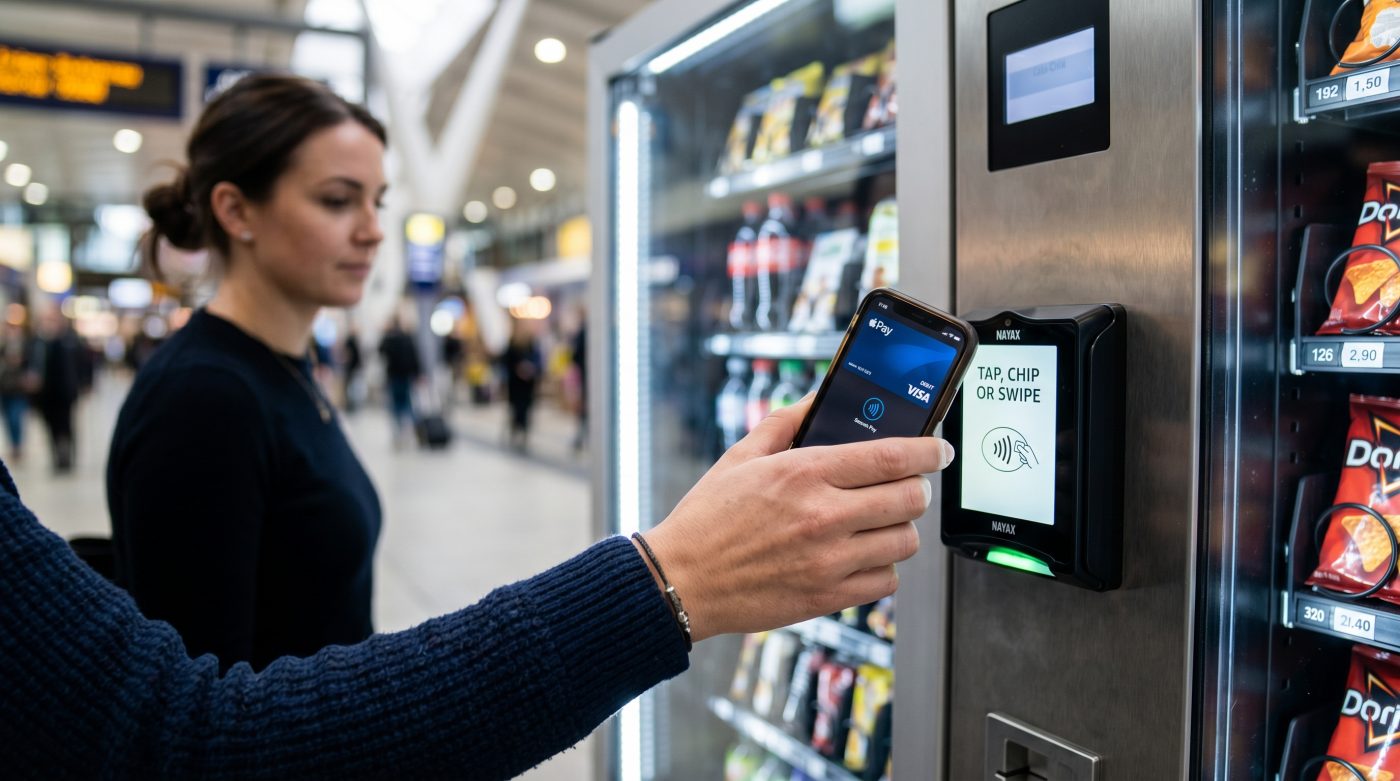
The United Kingdom has rapidly transformed into a nearly cashless society. From transit networks to local micro-markets, contactless payment has become the standard. For vending machine operators, this shift is no longer a futuristic concept but a baseline operational requirement. Cash-only machines are experiencing steep, permanent revenue declines as consumers increasingly leave physical wallets at home, relying instead on debit cards, credit cards, smartwatches, and smartphones.
In the UK’s modern retail environment, selecting a reliable card reader for vending machine fleets is one of the most critical decisions an operator can make. Historically, the market has been dominated by legacy providers charging high upfront hardware costs, imposing complex fee structures, and offering very little visibility into machine performance. As operators strive to protect profit margins amidst rising inflation and increased inventory costs, the limits of traditional, fragmented payment systems have become painfully clear. Consequently, UK operators are transitioning to advanced, unified unattended payment devices like SynthiaX. By integrating payments, telemetry, and smart fleet management into a single cost-effective platform, these next-generation solutions are reshaping how operators run their businesses and maintain their profitability.
Problem 1: The Outdated, Fragmented Card Reader for Vending Machine
Traditionally, cashless vending relied on installing a basic, standalone payment terminal on each machine. While these early-generation units enabled tap-and-pay, they introduced secondary challenges for operators. Legacy hardware is often expensive, with upfront costs frequently exceeding £300 per unit. For operators managing dozens or hundreds of machines, this initial capital expenditure represents a massive barrier to modernization, making full-fleet upgrades financially prohibitive.
Beyond high entry costs, these traditional readers are burdened by complex pricing structures. Operators are frequently locked into contracts featuring hidden gateway fees, monthly administrative charges, and high processing rates that eat directly into slim operating margins. Furthermore, many of these devices are plagued by slow processing times, taking up to ten seconds to authorize a transaction. In high-traffic locations like transit hubs, hospitals, or office buildings, these delays can lead to abandoned purchases and frustrated users. Finally, legacy hardware often lacks true plug-and-play compatibility, requiring tedious manual configuration and making integration with older Multi-Drop Bus (MDB) machines highly problematic.
Solution: High Performance at a Clear Price Point
To address these shortcomings, SynthiaX 1 offers a high-performance alternative designed specifically to support operator growth. It redefines what a modern card reader for vending machine systems can deliver by combining enterprise-grade components with a clear, honest price point. Instead of high upfront expenses, SynthiaX provides hardware at an accessible price of just £140 per unit for orders above 50 units, allowing operators to scale cashless capabilities across their entire fleet easily.
This solution replaces hidden fees with a transparent fee structure. With processing rates starting as low as 1.20% and monthly fees starting at £5 to £8, operators keep a significantly larger portion of their revenue. Transaction speeds are also improved, reducing authorization times to a mere 2 to 5 seconds. This quick processing minimizes queues and ensures a smooth checkout experience for customers using contactless cards, Apple Pay, Google Pay, or QR codes. With universal MDB, UART, and Pulse compatibility, SynthiaX 1 is designed to work with 99% of vending machines, enabling fast upgrades.
Problem 2: Disconnected Telemetry and Inventory Software
Accepting payments is only one half of running a profitable vending business. The other half is logistics—knowing when to refill machines, which products sell, and when a technical issue occurs. Traditionally, operators had to rely on separate, fragmented telemetry systems to gain these insights, buying a payment terminal from one vendor and monitoring software from another.
This disconnected approach creates severe operational inefficiencies. Operators must log into multiple, non-integrated software dashboards to piece together sales and stock data. Because systems do not communicate in real-time, operators often send route drivers to refill machines that are still full, while high-demand machines sit empty, losing potential sales. Additionally, without unified telemetry, tracking errors, managing refunds, or updating product pricing requires physical visits to each machine. This manual approach dramatically increases labor costs, fuel expenses, and overall machine downtime.
Solution: Integrated Telemetry with Ardelino
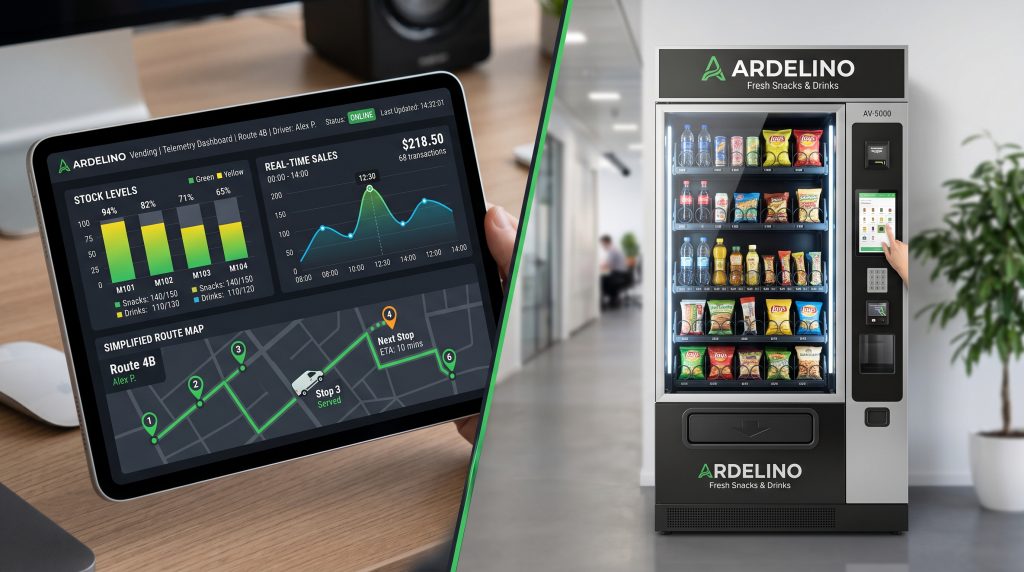
SynthiaX addresses these logistical bottlenecks by combining payments and telemetry into a single, cohesive ecosystem. Every SynthiaX device is fully integrated with Ardelino, a comprehensive management and telemetry dashboard providing real-time visibility into your entire operation, eliminating the need for separate monitoring software.
Through Ardelino, operators gain access to live sales reporting, inventory tracking, and remote machine management. The platform features smart routing algorithms that optimize refill schedules based on real-time stock levels, ensuring drivers only visit machines that need attention. This optimization can reduce operational and logistical costs by up to 30%. Furthermore, operators can change product pricing and update firmware remotely across the entire fleet in just a few clicks. If an issue arises, operators can issue remote refunds instantly, protecting customer satisfaction without sending a technician to the site.
Problem 3: The High Costs of Multi-Machine Clusters
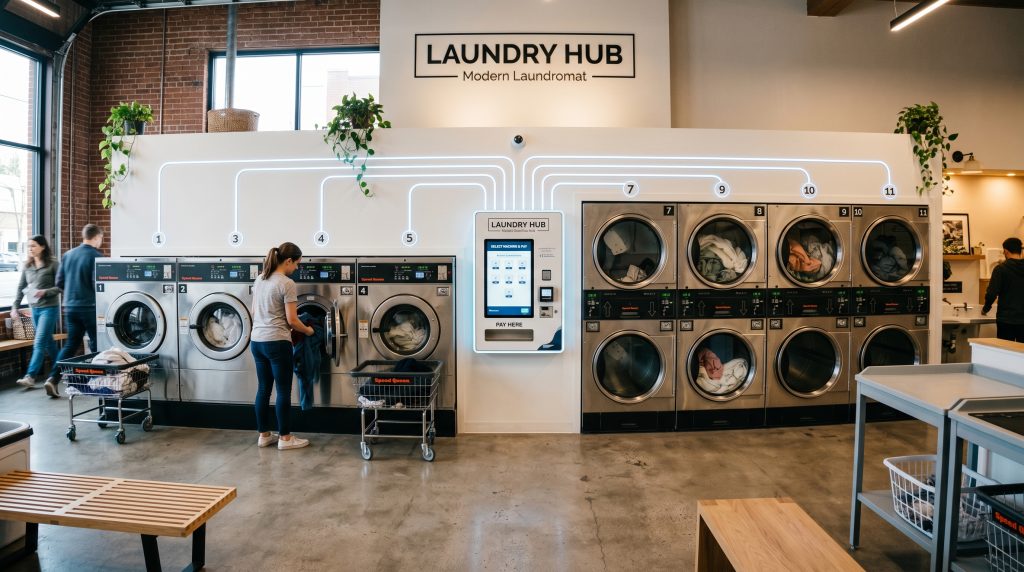
In many commercial environments like laundromats, arcades, and multi-vending bank installations, several unattended machines are placed side-by-side. Under traditional business models, operators are forced to purchase and install an individual card reader for every single machine in the cluster.
This requirement causes hardware and subscription costs to skyrocket. If a site has eight machines, the operator must pay for eight separate terminals, eight cellular data plans, and eight monthly service fees. This excessive cost structure makes adding cashless capabilities to lower-revenue machines economically unviable. As a result, operators are forced to either leave these machines as cash-only—missing out on the cashless market—or accept highly diluted margins to support digital payments across the cluster.
Solution: Centralized Efficiency with SynthiaX CoreLink 16
To eliminate the financial burden of multi-machine installations, SynthiaX developed CoreLink 16. This innovative solution allows operators to connect up to 16 separate machines to a single payment terminal. Instead of buying a separate reader for every machine, operators can centralize their payments and manage an entire cluster from one sleek hub.
By utilizing CoreLink 16, operators can reduce hardware acquisition costs by up to 90%. Additionally, because the entire cluster relies on a single terminal, operators only pay for one cellular connection and one active terminal fee, drastically lowering ongoing monthly operational expenses. This centralized setup is highly effective for laundromats, amusement arcades, and clustered vending banks. It enables operators to cost-effectively digitize every machine on their site, ensuring that even lower-volume machines can accept contactless payments without carrying prohibitive overhead costs.
Case Study: Real-World Impact on a UK Operator
To understand the practical benefits of this transition, consider the experience of Midlands Vending Services, a regional operator based in the UK. Managing a diverse fleet of 65 vending machines located across office complexes, distribution centers, and public leisure centres, the company faced growing pressure to modernize its payment systems. At the time, they utilized traditional coin mechanisms and legacy card readers.
The company struggled with high monthly fees, processing rates of nearly 2.8%, and frequent cellular connectivity dropouts that resulted in missed transactions. Furthermore, their drivers adhered to rigid, pre-planned refill schedules, often arriving at half-full machines while others had been sold out of top items for days.
Seeking a more sustainable model, Midlands Vending Services initiated a fleet-wide upgrade, replacing their older terminals with SynthiaX unattended payment devices. The financial and operational turnaround was visible within the first few months. By consolidating their payments and telemetry under the SynthiaX platform, the operator cut processing fees to a flat 1.20% and reduced monthly hardware service fees significantly.
Using the Ardelino telemetry platform, the management team designed optimized refill routes, which reduced weekly fuel consumption and driver hours by 25%. Connectivity issues were virtually eliminated thanks to the robust 4G/LTE and Wi-Fi capabilities of the new terminals. Ultimately, Midlands Vending Services reported a 30% reduction in overall operating costs and a 15% increase in top-line revenue.
FAQ: Frequently Asked Questions
Does a card reader for vending machine installations require complex setup?
No. Modern systems like SynthiaX are built with universal MDB compatibility, which means they are essentially plug-and-play. They can be mounted and connected to almost any standard vending machine in a matter of minutes, without requiring extensive technical expertise.
What payment methods do these unattended terminals accept?
The terminals are equipped to handle a wide range of modern digital payment options. This includes major credit and debit cards (Visa, Mastercard), mobile wallets (Apple Pay, Google Pay, Samsung Pay), and even QR-code-based loyalty payments.
How does the daily settlement process work?
Unlike older providers that may hold funds for a week or more, SynthiaX offers rapid settlement options. This ensures that your transaction revenue is deposited into your business account quickly, helping you maintain healthy cash flow to reinvest in your operations.
What is the best payment setup for vending machine clusters where multiple units are placed side-by-side?
For clusters of machines, a centralized system like SynthiaX CoreLink 16 is highly recommended. It allows you to run up to 16 machines off a single terminal, which cuts both upfront hardware investments and recurring monthly network fees.
Take Control of Your Vending Margins Today
Operating a successful vending business in the UK requires balancing consumer demands for convenience with the operational realities of rising costs. Upgrading your equipment with a modern card reader for vending machine fleets is one of the most direct ways to increase transaction volumes while simultaneously reducing administrative burdens.
If you are ready to move away from expensive contracts, hidden fees, and disconnected management tools, SynthiaX is ready to help. With industry-leading transaction rates starting at 1.20%, low monthly device fees, and an all-in-one telemetry ecosystem, the platform is designed to put profit back into your pocket.
Do not let outdated payment technology hold your business back. Contact the SynthiaX team today to discuss your fleet requirements, calculate your potential savings, or order a demo device backed by a 30-day, 100% money-back guarantee. Visit our website to get started and see how simple unattended retail can be.