
What Does a Card Reader Do? How It Works and Why Your Business Needs One
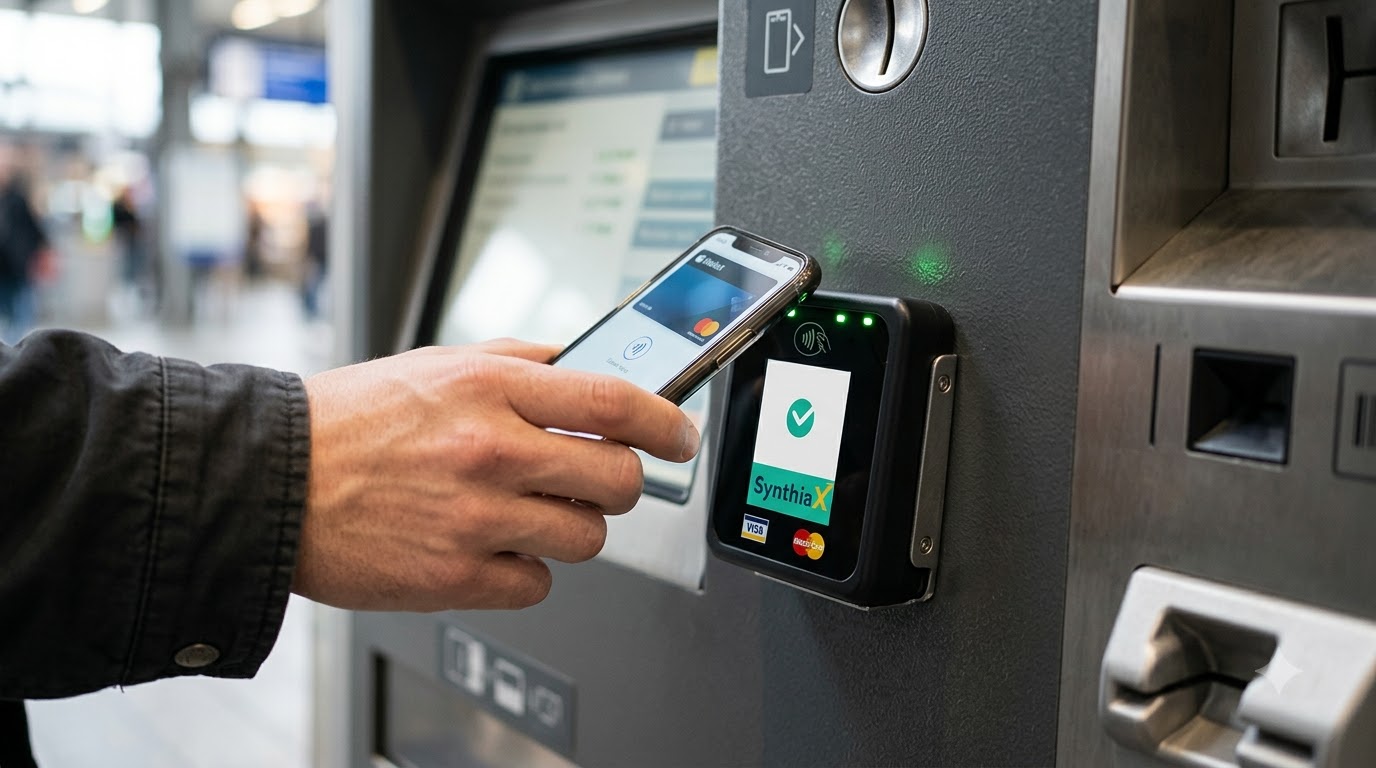
In a world moving rapidly away from physical cash, electronic payments rule everyday commerce. Consumers expect frictionless, instant transactions whether they are dining at a restaurant or grabbing a quick snack from an unattended vending kiosk. At the center of this payment revolution stands a compact, powerful device: the card reader.
What does a card reader do?
A card reader is a specialized electronic device that securely reads data from credit cards, debit cards, and mobile wallets, transmitting that information through a secure network to authorize and complete financial transactions. Whether a shopper taps a smartphone, dips an EMV chip card, or swipes a magnetic stripe, the card reader captures the payment credentials instantly, encrypts the data to prevent fraud, and sends it to the payment processor for verification.
For operators managing self-service machines, retail counters, or entertainment venues, deploying a reliable card reader is no longer an optional upgrade. It is the backbone of customer satisfaction, automated revenue collection, and long-term business growth.
What Does a Card Reader Do, and Why Do You Need One?
To understand why this technology is so vital, you must understand how it operates behind the scenes and how it solves real-world operational challenges.
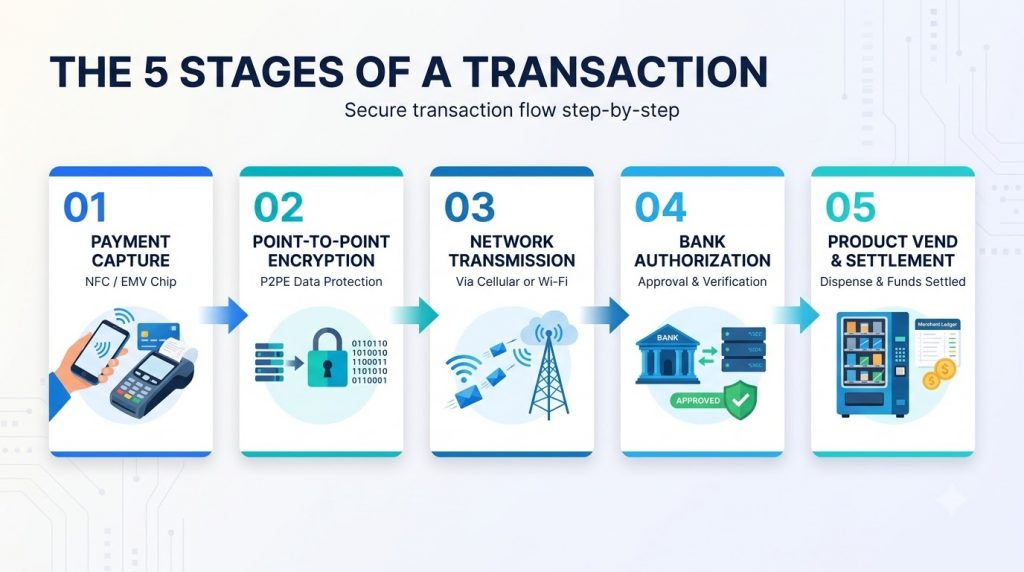
How a Card Reader Works: Step by Step
A modern card reader performs a complex sequence of security checks and data transfers in just two to three seconds:
- Data Capture: When a customer presents their payment method, the card reader accesses the encoded account details. It achieves this through one of three methods:
- NFC (Near Field Communication): Contactless payments via Apple Pay, Google Wallet, or tap-to-pay cards.
- EMV Chip: Inserting a microchip-embedded card, which creates a dynamic, one-time security code.
- Magnetic Stripe: Swiping the magnetic tape on older cards, reading stored track data.
- Instant Encryption: The moment the card reader captures the account details, it immediately converts the sensitive data into encrypted code using point-to-point encryption (P2PE). This prevents unauthorized actors from intercepting payment data.
- Network Transmission: The card reader transmits the encrypted transaction payload across a cellular, Wi-Fi, or Ethernet connection to a payment gateway.
- Authorization and Response: The gateway contacts the acquiring bank and the customer’s card-issuing bank. The issuing bank confirms available funds, validates security parameters, and returns an approval or decline code back through the card reader.
- Settlement: Once approved, the device confirms the sale, dispenses the product or service, and queues the transaction for end-of-day bank settlement.
Why Your Business Needs a Card Reader
Relying exclusively on physical currency costs businesses more than they realize. Installing a dedicated card reader delivers clear, tangible benefits across operations:
- Captures Lost Sales: Consumers rarely carry loose change or small bills. When an unattended machine or counter accepts only cash, potential customers walk away. A card reader captures impulsive, high-intent purchases on the spot.
- Boosts Average Spend: Studies repeatedly show that consumers spend significantly more when paying with plastic or digital wallets compared to physical currency. A card reader encourages higher-ticket purchases and multi-item orders.
- Eliminates Cash Handling Headaches: Counting coins, sorting bills, making bank runs, and balancing cash registers require dozens of labor hours each week. Cash collection also invites theft and internal shrinkage. A card reader routes payments directly into your merchant account digitally.
- Provides Real-Time Telemetry: Advanced units do more than process sales. A smart card reader tracks inventory, machine health, and daily revenue in real time, giving operators complete oversight through cloud-based dashboards.
- Robust Fraud Protection: Upgraded devices adhere strictly to PCI-DSS compliance standards, protecting both the consumer and the business operator from chargebacks and liability.
If you run unattended automated machines, integrating a modern cashless payment system like SynthiaX transforms traditional coin-operated equipment into dynamic, cloud-managed revenue generators equipped with a cutting-edge card reader.
Which Industries Rely on a Modern Card Reader?
While countertop terminals are standard in brick-and-mortar retail and dining, the fastest adoption of card reader hardware is taking place in unattended retail, automated amusement, and self-service sectors. Below are the key industries where a card reader drives measurable operational success.
1. Vending Machines
The vending industry has experienced a massive shift toward cashless convenience. Traditional vending machines relied on mechanical coin slots and bill validators, which frequently jammed, rejected wrinkled currency, and ran out of change.
Adding an MDB-compatible card reader directly to a snack, cold beverage, or fresh-food machine revitalizes its earning potential. When customers can tap a contactless debit card or smart device, average daily transactions surge. Operators also gain the ability to introduce multi-vend features, allowing users to buy several items in one seamless swipe.
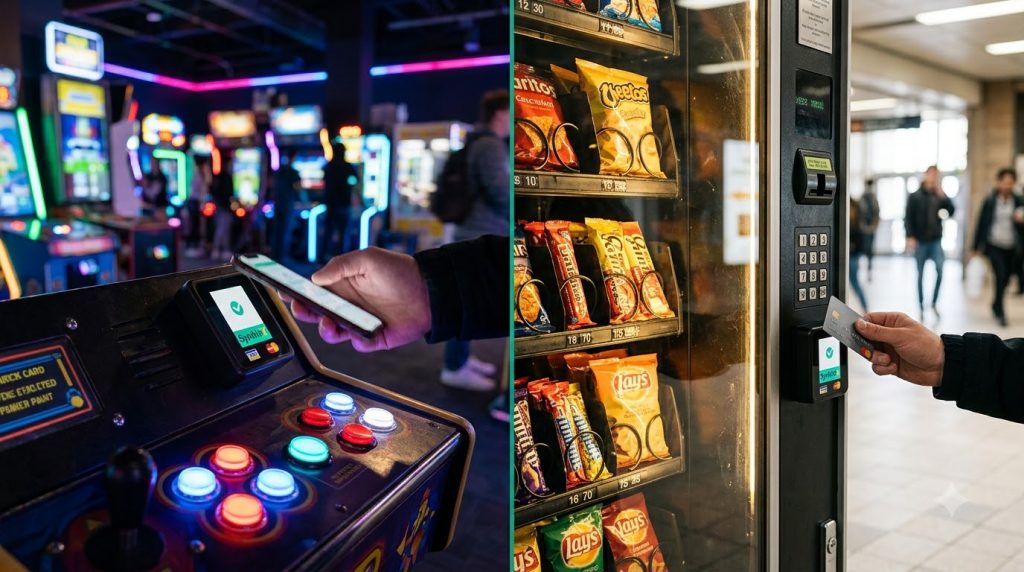
2. Arcades and Family Entertainment Centers (FECs)
The nostalgic clinking of arcade tokens has largely given way to digital balances and tap-to-play cards. In high-energy arcade environments, parents and gamers prioritize speed and convenience.
A compact card reader installed on arcade cabinets, pinball tables, and virtual reality booths allows players to tap their debit card, credit card, or venue-specific RFID game card. This eliminates the long lines at token-dispensing machines, keeps players engaged at the game, and reduces mechanical downtime caused by bent tokens or foreign objects inserted into coin slots.
3. Amusement Parks and Attractions
From carnival games and batting cages to mini-golf turnstiles and photo booths, amusement venues depend on rapid throughput. Long payment queues diminish guest satisfaction and cost park managers revenue during peak visiting hours.
Integrating a rugged, weather-resistant card reader across park attractions keeps lines moving swiftly. When guests can pay directly at the attraction turnstile or game console using their smartwatch or phone, friction disappears, leading to higher spending throughout the park.
4. Laundromats
Commercial laundry operations have traditionally been coin-dependent. Laundromat owners spent hours emptying heavy coin boxes, rolling quarters, and fixing jammed slide mechanisms. For customers, forgetting a roll of quarters meant making an inconvenient trip to a local bank or convenience store.
A modern card reader installed on commercial washers, dryers, and soap dispensers modernizes the entire laundromat experience. Customers simply swipe or tap their payment method to select wash cycles and premium heat levels. Operators can even introduce dynamic time-of-day pricing and remote cycle monitoring, lowering overhead and dramatically boosting margins.
5. Kiddie Rides
Kiddie rides stationed in shopping malls, grocery store vestibules, and amusement centers rely on busy parents making spontaneous decisions to entertain their children. When a parent does not have exact coins on hand, the ride sits idle.
Mounting a small-footprint card reader on coin-operated carousels, miniature racecars, and mechanical animals removes payment barriers entirely. Parents can tap their mobile phone or contactless card in seconds, satisfying their child and maximizing machine utilization throughout operating hours.
6. Coffee Vending and Specialty Dispensers
Automated bean-to-cup espresso machines and automated drink bars require premium payment solutions to match their high-end product offerings. Consumers are happy to pay four or five dollars for a gourmet latte or specialty tea, but they rarely carry exact change for such transactions.
A sleek, intuitive card reader mounted to an office coffee dispenser or hospital lobby kiosk makes specialty beverage dispensing practical. The device allows users to browse coffee options, select customizable add-ins, and authorize high-ticket purchases in seconds.
7. Tomy Gacha and Capsule Toy Machines
Japanese capsule toy dispensers, known worldwide as Gacha or Gachapon, have gained massive international popularity. Historically, these stacked mechanical dispensers relied exclusively on specific coin denominations, such as two quarters or dedicated tokens.
Today, operators equip Tomy Gacha machine banks with an automated card reader setup. Customers select their desired tier, tap their payment card, and receive credits or automated turns without fumbling for pocket change. This innovation allows operators to price premium collectible toys at higher tiers (such as five, eight, or ten dollars) that were previously impossible to collect using standard mechanical coin mechanisms.
Comparing Cash vs. Card Reader Operations
To see the operational difference clearly, consider how everyday machine maintenance changes when you move away from legacy coin mechanisms:
| Operational Feature | Cash and Coin Systems | Modern Card Reader Setup |
| Transaction Speed | Slow (inserting bills, handling coins) | Near-instantaneous (tap, chip, or swipe) |
| Average Order Value | Limited strictly to available cash | 25% to 40% higher spending on average |
| Mechanical Reliability | Frequent jams and maintenance calls | Minimal mechanical failure points |
| Sales Tracking | Manual tallying at collection times | Real-time cloud telemetry and alerts |
| Vandalism Risk | High (machines hold cash reserves) | Extremely low (cashless transactions) |
| Customer Preference | Rapidly declining across all age groups | Overwhelmingly preferred by modern consumers |
As the table shows, a business that upgrades its equipment to support electronic payments immediately gains operational efficiency while simultaneously expanding sales volume.
Why SynthiaX Is the Premier Cashless Solution
Navigating the transition to cashless payments can seem complex, particularly when managing diverse fleets of vending machines, laundromats, and amusement devices. You need an intuitive platform that balances robust hardware with rich, real-time telemetry.
This is where SynthiaX excels.
SynthiaX offers a comprehensive, all-in-one payment ecosystem designed specifically for self-service operators. By combining a reliable, industrial-grade card reader with an intelligent cloud management platform, SynthiaX gives you total visibility over your equipment from any desktop or mobile device.
Here is what sets the platform apart:
- Universal Compatibility: Whether you manage traditional MDB vending systems, pulse-driven arcade machines, or coin-drop laundry units, the hardware integrates effortlessly into your existing setups.
- Instant Processing: With high-speed cellular connectivity, transactions clear within seconds, keeping customer lines moving without delays.
- Real-Time Data and Diagnostics: Monitor inventory levels, track hourly revenue, and receive immediate alerts if an unattended machine goes offline.
- Rugged Engineering: Built to withstand heavy daily use, outdoor weather fluctuations, and high-traffic commercial environments, the device ensures dependable uptime year-round.
When you partner with SynthiaX, you are not just purchasing hardware. You are implementing a complete, future-proof cashless infrastructure that drives recurring profitability across your entire network of machines.
Frequently Asked Questions (FAQ)
Can a card reader accept mobile payments like Apple Pay and Google Wallet?
Yes. Modern card reader units come equipped with Near Field Communication (NFC) modules. This allows the terminal to communicate securely with smartphones, smartwatches, and contactless cards within a range of a few centimeters.
How does a card reader connect to the internet in remote vending locations?
Most unattended systems rely on integrated 4G LTE or 5G cellular modems. This allows the card reader to process transactions anywhere cellular coverage exists, removing the need for a local Wi-Fi router or physical Ethernet cable.
What happens if an unattended card reader loses its internet connection?
Many advanced readers feature store-and-forward or offline processing capabilities for small transactions. If connection drops momentarily, the reader stores encrypted purchase details locally and forwards them to the payment processor once connectivity is re-established.
Is using a card reader safe from payment fraud?
Yes. A modern card reader complies with strict Payment Card Industry Data Security Standards (PCI-DSS). The device encrypts payment information immediately upon capture, ensuring that raw card details are never accessible or stored insecurely on the machine itself.
How hard is it to retrofit an older machine with a card reader?
Retrofitting is straightforward. Most commercial vending and arcade machines use standardized protocols like MDB or pulse relays. Upgrading your machine typically requires mounting the reader, plugging in the wire harness, and activating the unit through a software dashboard.
Ready to Modernize Your Business? Upgrade with SynthiaX Today
Leaving money on the table with cash-only hardware holds your business back. Modern consumers demand speed, security, and the flexibility to pay on their own terms. Equipping your vending machines, arcades, laundromats, and amusement attractions with an advanced card reader ensures you capture every sale, boost transaction values, and streamline operational management.
Take control of your automated operations with SynthiaX. Explore our robust, operator-tested cashless solutions today and unlock the true earning potential of your self-service machines. Contact our team now to request a hardware demonstration and discover how effortless modern payments can be.