

Why Arcade Owners Are Switching to a Digital Payment Device for Tomy Gatcha Machine Upgrades
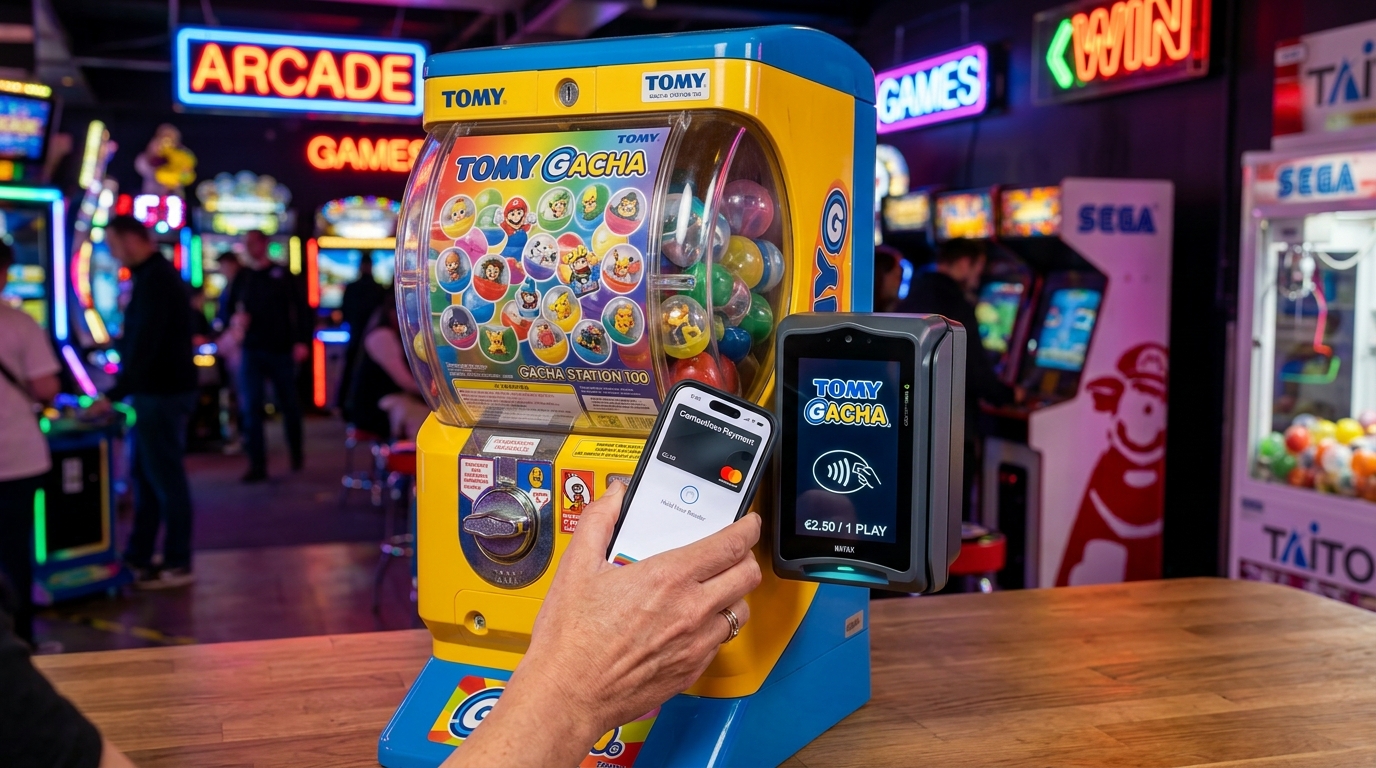
The capsule toy industry, historically viewed as a niche market targeting young children, has experienced a massive shift over the last few years. Recent market research indicates that the global capsule toy market value, which stood at approximately $3.2 billion in 2024, is projected to expand to $5.8 billion by 2033. Interestingly, the primary driver behind this 6.8% annual growth rate is not children, but adult collectors, often called “kidults,” who now command a dominant 65% share of the industry’s upward trajectory. Because these adult consumers carry digital wallets and contactless cards rather than heavy pockets of loose change, arcade and route owners are recognizing the need to update their physical layouts. When walking into any modern amusement venue or family entertainment center, it becomes apparent that selecting a digital payment device for tomy gatcha machine setups is no longer a luxury—it is an operational necessity.
As physical loose change continues to phase out in a highly digitized global economy, operators are realizing that relying solely on manual coin mechanisms places a firm ceiling on their potential revenue. Adopting a reliable digital payment device for tomy gatcha machine routes is often the primary key to unlocking higher transactional volumes and capturing the attention of high-spending adult collectors. In this article, we will examine why arcade operators are phasing out physical coin mechanisms, and how integrating a modern digital payment device for tomy gatcha machine terminal can safeguard profit margins in an increasingly cashless world.
Historically, the premium engineering of Takara Tomy frames—built with durable metal gears and high-impact polycarbonate—has made them incredibly reliable long-term investments. However, even the most durable physical frame cannot overcome the modern friction of cash-only operations. Making the shift to a dedicated digital payment device for tomy gatcha machine units can easily resolve many of these modern challenges, allowing classic, high-quality hardware to remain highly profitable in a digital era.
Problem with the Traditional System
Operating a fleet of classic capsule vending machines is a complex business, and traditional coin-operated systems introduce major operational bottlenecks that eat into overall margins.
The Costly Friction of Coin Dependency
For decades, bulk vending depended on a simple mechanical cycle: insert a coin, turn the metal dial, and receive a capsule. However, in today’s cashless society, coin dependency creates a direct 21% drag on operator margins. When adult collectors discover a wall of capsule machines featuring licensed high-value merchandise (often costing up to $5 or £5 per turn), they are highly motivated to make multiple purchases in a single visit to complete their sets. However, the lack of a digital payment device for tomy gatcha machine systems means these valuable collectors are forced to walk away simply because they do not carry pocket change. This physical friction directly curtails impulse buying and caps transaction volume.
Overhead and Maintenance Friction
Traditional cash operations carry high logistical and operational costs. Operators must employ technicians to drive routine, calendar-based routes solely to collect physical cash, check for mechanical jams, and empty coin boxes. This model is inherently inefficient; routine maintenance and transit logistics consume an estimated 28% of overall route efficiency, which represents a massive chunk of an operator’s monthly budget. Furthermore, because there is no remote monitoring, route operators often send technicians to machines that are running completely fine, wasting valuable fuel and time. Additionally, physical coin boxes are highly vulnerable to vandalism and lock damage. Without a secure digital payment device for tomy gatcha machine routes, operators face ongoing expenses from repairing damaged frames, replacing locks, and managing cash handling discrepancies.
The Sunk Cost Dilemma
Many operators face a difficult dilemma: should they retire their highly durable, mechanically sound Tomy units to purchase completely new, modern digital setups, or should they leave their existing fleets in low-yield environments and accept the financial loss? Purchasing entire new imported digital systems is highly capital-intensive and represents a waste of structurally sound mechanical assets. When evaluating how to eliminate these overhead costs, implementing a retrofitted digital payment device for tomy gatcha machine terminals emerges as a logical, cost-effective path forward to protect original capital investments.
Furthermore, without a robust digital payment device for tomy gatcha machine setup, operators struggle to gather real-time data on inventory levels. They are forced to guess which machines are empty and which ones are full, leading to empty slots that miss peak weekend traffic spikes or overstocked routes that tie up working capital. Vandalism of coin boxes remains a constant issue, which further underscores the necessity of a secure digital payment device for tomy gatcha machine routes to phase out physical cash entirely.
SynthiaX Solutions: Transforming Legacy Hardware
To address these persistent operational challenges, SynthiaX has introduced its specialized cashless retrofit solutions, establishing a highly engineered digital payment device for tomy gatcha machine setups that preserves the original mechanical durability of the equipment. SynthiaX provides a direct, cost-effective answer for operators looking to modernize their legacy routes without taking on excessive capital debt.
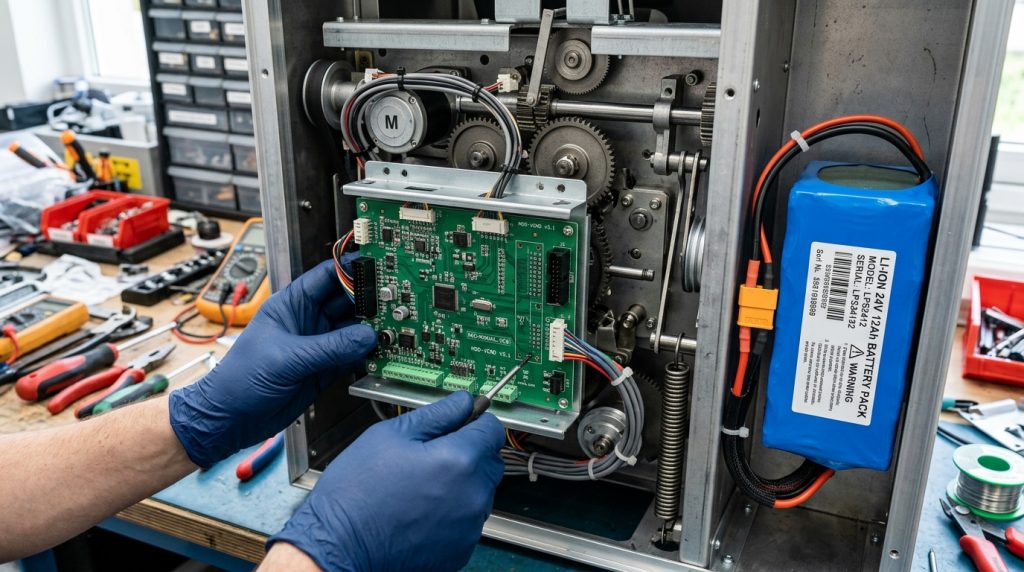
The core of the SynthiaX solution is the GachaBridge™, a non-destructive retrofit kit designed to upgrade legacy mechanical frames in under ten minutes. This specialized digital payment device for tomy gatcha machine installations operates via a secure pulse circuit that trips the mechanical gates electronically. This elegant design ensures that the premium brass gears and high-impact polycarbonate frames of the original machine continue to execute the actual physical dispensing, while the payment layer is entirely digitized. By opting for this modular digital payment device for tomy gatcha machine hardware, operators can avoid the substantial costs of importing entirely new digital systems. Standard technicians can perform the upgrade quickly with simple tools, eliminating the need to hire specialized electrical engineers.
Additionally, this advanced digital payment device for tomy gatcha machine routes features dual-power variants, accommodating either indoor AC lines or a specialized battery pack for remote deployments. For fixed indoor locations with direct mainline access, an AC power tier is available. For remote island deployments or central mall corridors where running AC power lines is physically or contractually impossible, a specialized battery tier is utilized. This battery tier relies on a custom-engineered 3S 5P 18650 lithium-ion NMC pack managed by an integrated 20-amp battery management system (BMS), providing 17.5 Ah of capacity. This specific energy density safely handles the high-draw bursts of cellular data transmissions alongside the inductive solenoid pulses required to release the capsules. The battery management system is thoroughly engineered to optimize power cycle performance, ensuring that the cellular hardware remains online and responsive.
Through this dual design, the SynthiaX digital payment device for tomy gatcha machine deployments can operate autonomously in almost any high-traffic environment. As a result, installing a digital payment device for tomy gatcha machine routes transforms traditional offline mechanical assets into connected, smart retail nodes. This provides operators with real-time cloud telemetry and data-driven fleet dispatch capabilities.
Real-World Impact: Case Study
To evaluate the tangible return on investment, let us look at a practical example where a regional amusement group integrated a digital payment device for tomy gatcha machine fleets across twelve of their highest-traffic shopping mall locations.
Before deploying a modern digital payment device for tomy gatcha machine units, the operator relied entirely on physical coins. This operational model resulted in high administrative burdens and a 28% efficiency loss due to routine maintenance, lock-box vandalism, and frequent coin jam callouts. Route planning was calendar-driven rather than data-driven, meaning technicians regularly visited fully stocked machines or left empty ones unattended during busy weekend traffic spikes. This mechanical friction led to missed sales opportunities and eroded customer confidence.
Upon retrofitting their fleets with the new digital payment device for tomy gatcha machine routes, the operator recorded immediate changes in customer behavior. Because the modern adult collector segment was able to pay via contactless cards and mobile wallets, the operator experienced a 30% increase in average transactional volumes.
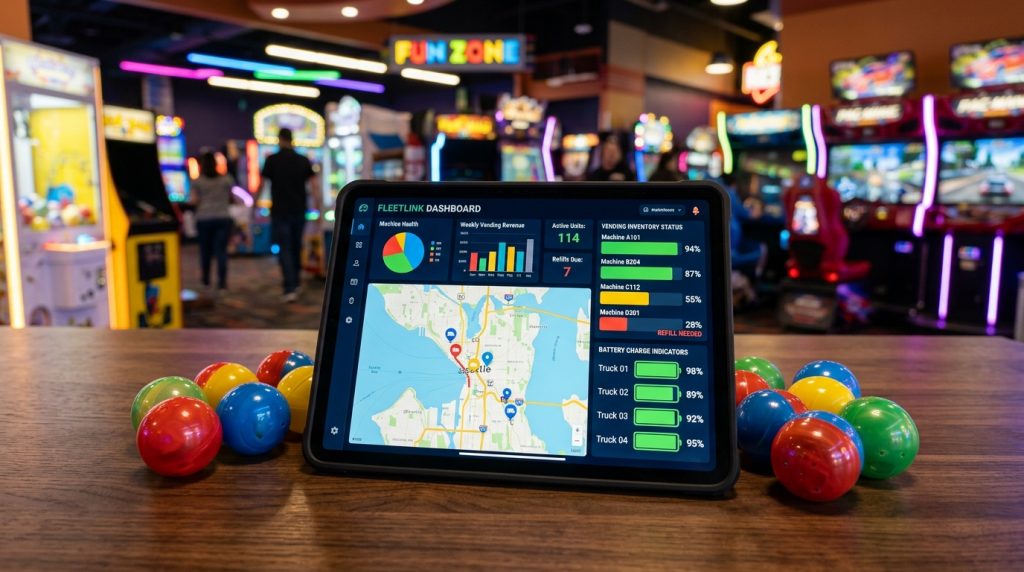
The telemetry dashboard integrated within the digital payment device for tomy gatcha machine setup allowed the management team to monitor inventory levels remotely, receive immediate jam alerts, and track battery diagnostics in real time. This shift to smart dispatch loops optimized technician schedules, lowering maintenance costs by roughly 25%. This case study demonstrates how implementing a digital payment device for tomy gatcha machine upgrades can yield full capital recovery within a brief four-to-five-month payback window.
Frequently Asked Questions
Q1: Why should I choose a digital payment device for tomy gatcha machine retrofitting instead of replacing my old machines?
Choosing a digital payment device for tomy gatcha machine retrofit is far more cost-effective than replacing entire systems. Classic Tomy hardware is exceptionally durable, featuring high-quality metal gears and polycarbonate frames built to last for decades. Retrofitting allows you to protect your original sunk capital while modernizing the payment layer for less than half the cost of importing new systems.
Q2: How long does it take to install a digital payment device for tomy gatcha machine routes?
The GachaBridge™ is designed for rapid deployment, taking less than ten minutes to install per machine. Route technicians can quickly align the module, link the harness, and connect the machine to the digital network without needing specialized engineering training.
Q3: Does a digital payment device for tomy gatcha machine configuration require complex wiring?
No. For locations where mains power is unavailable, the specialized battery tier powered by a lithium-ion NMC pack allows a digital payment device for tomy gatcha machine configurations to run autonomously without external grid connections.
Q4: Can a digital payment device for tomy gatcha machine routes handle multiple transactions quickly?
Yes. The digital interface enables rapid, consecutive contactless payments, which is highly beneficial for adult collectors who frequently execute multiple consecutive turns to complete their capsule sets.
Elevate Your Route Operations
If you are ready to modernize your amusement operations, finding the right digital payment device for tomy gatcha machine fleets is the first step toward reclaiming lost revenue. Upgrading your assets protects your sunk costs, eliminates cash handling overheads, and dramatically improves route efficiency.
Contact the SynthiaX commercial engineering team today to learn how our digital payment device for tomy gatcha machine upgrades can transition your route into a smart, data-driven retail network. Visit the SynthiaX interactive web portal to access the ROI Calculator and analyze your fleet’s potential returns.