

How Much Is a Card Reader for a Arcade?Complete Pricing Guide
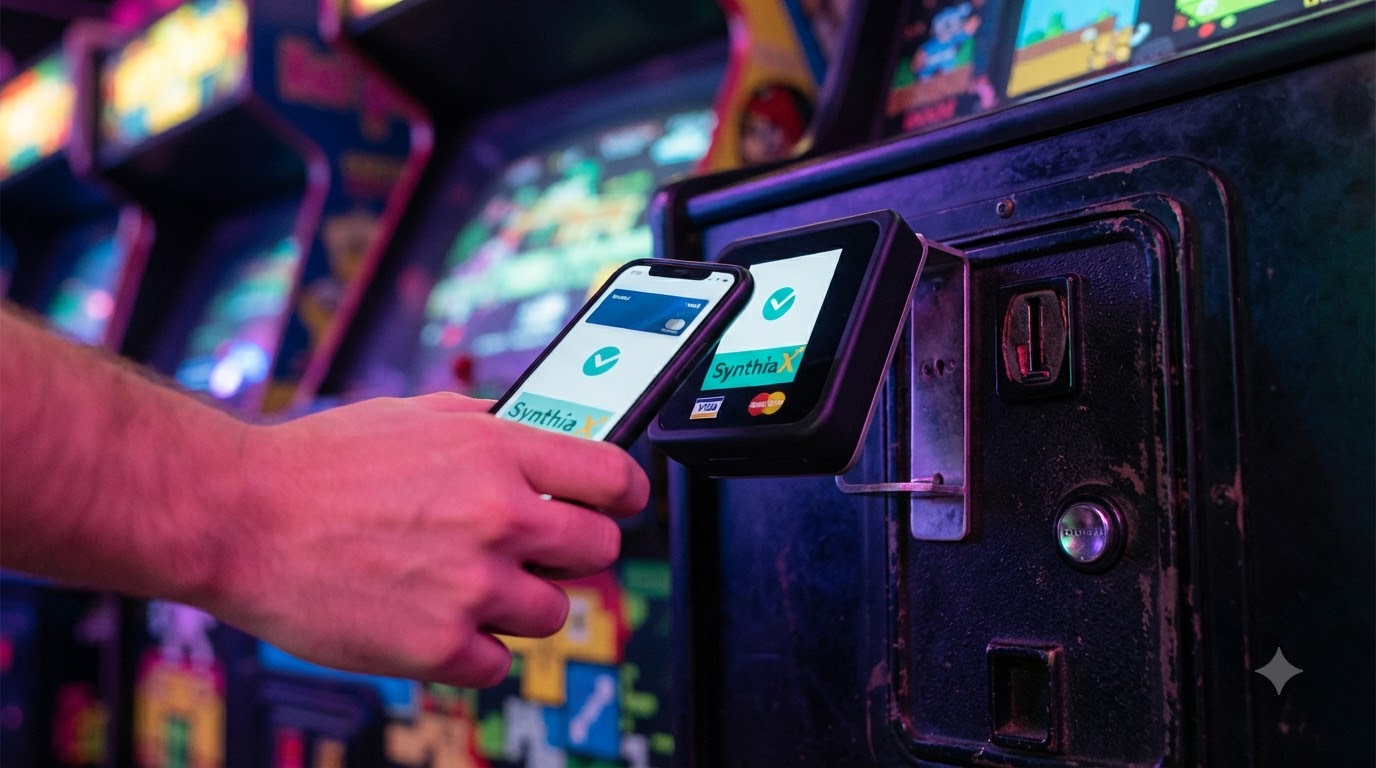
A standalone card reader for a arcade typically costs between £160 and £400 for the hardware unit. In addition to upfront hardware, operators generally pay a monthly cloud telemetry fee between £6 and £12 per device, alongside standard card processing rates ranging from 2.5% to 4% per tap.
Finding the right card reader for a arcade can feel overwhelming because prices vary widely based on hardware capabilities, software features, and network protocols. Traditional amusement routes used to rely entirely on 10p coins, £1 coins, and brass tokens. Today, players rarely carry loose change or paper bank notes. When you install an intuitive card reader for a arcade, you unlock instant tap-and-play payments via debit cards, credit cards, Apple Pay, and Google Pay.
Every modern card reader for a arcade replaces physical coins with fast contactless authorization. Whether you operate a route of classic pinball cabinets, claw cranes in a cinema lobby, or a full-scale family entertainment center, modernizing your machines is the fastest way to grow revenue. This comprehensive guide breaks down the true cost of cashless hardware, reveals hidden fees to watch out for, guides you through vendor selection, and compares top industry providers like Nayax, SynthiaX, and Cantaloupe.
How Much Does a Card Reader Cost?
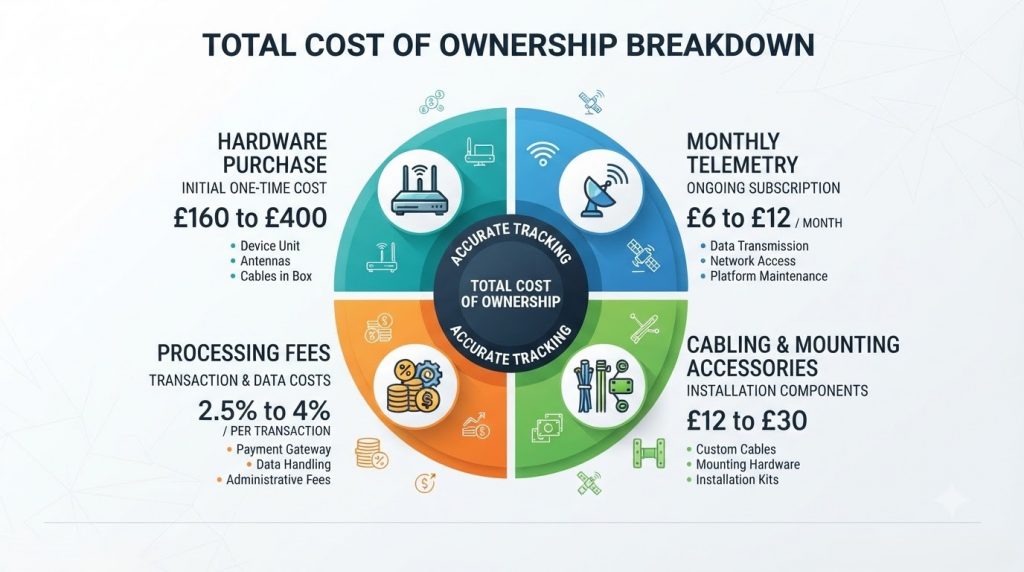
When budgeting for a card reader for a arcade, you must evaluate several distinct cost factors beyond the initial price tag on the box. Operating an unattended payment system involves hardware, software, processing, and installation.
| Cost Component | Average Price Range | Frequency |
| Hardware Terminal | £160 to £400 per machine | One-time purchase |
| Monthly Telemetry and Cloud Platform | £6 to £12 per reader | Recurring monthly fee |
| Payment Processing Fees | 2.5% to 4% per tap or swipe | Per transaction |
| Pulse Harness and Mounting Bracket | £12 to £30 per device | One-time purchase |
| Professional Installation (Optional) | £40 to £80 per cabinet | One-time service |
1. Upfront Hardware Costs
The terminal itself represents your main starting investment. A direct pulse-compatible card reader for a arcade generally ranges from £160 to £400. Compact, tap-only units without physical keypad screens sit at the lower end of that range (£160 to £240). Premium readers featuring interactive colour touchscreens, QR scanners, and multiple card slots sit between £280 and £400.
Unlike closed-loop amusement systems that require thousands of pounds in central servers and card-dispensing kiosks, standalone unattended terminals mount directly onto your machine coin doors. Adding a standalone card reader for a arcade directly onto each game keeps initial capital expenditure manageable while letting you upgrade your venue gradually.
2. Ongoing Telemetry and Cloud Software Fees
A cashless card reader for a arcade relies on cellular connectivity (4G LTE or 5G) to process transactions and transmit audit data back to your operator dashboard. Most manufacturers charge a monthly software-as-a-service (SaaS) and telemetry fee of £6 to £12 per active terminal.
This subscription covers:
- Continuous cellular data communication
- Remote sales tracking and game audit reports
- Live error alerts (such as coin jam or switch faults)
- Over-the-air firmware updates and security patches
Without an active telemetry plan, your card reader for a arcade cannot communicate with payment gateways or provide real-time sales reporting.
3. Card Processing Fees
Every time a customer taps their card or phone against your card reader for a arcade, merchant processing fees apply. Amusement transactions are typically micro-transactions, usually between £1.00 and £3.00 per credit.
Processors handle these in two ways:
- Flat Rate Pricing: Typically 2.5% to 3.5% plus a small fixed fee (around £0.04 to £0.08) per transaction.
- Interchange Plus: The actual interchange cost set by card networks plus a small markup from the processor.
Some processors offer transaction bundling, where multiple taps by the same cardholder within a short window combine into a single batch transaction. This prevents multiple fixed-pence fees from eating into your revenue every time someone taps a card reader for a arcade.
4. Cabling, Brackets, and Installation Hardware
To connect a card reader for a arcade to an existing amusement cabinet, you need the right wiring harness. Most arcade cabinets operate on pulse signals rather than the standard MDB (Multi-Drop Bus) protocol found in vending machines.
A pulse interface harness costs between £12 and £30. You may also need custom metal mounting plates (£8 to £20) if you want to mount the reader over an existing coin acceptor slot without drilling new holes into your cabinet finish. Factoring these accessories into your budget guarantees a clean, secure physical installation.
How to Choose a Card Reader for Your Arcade
Selecting the best card reader for a arcade requires balancing player experience, hardware ruggedness, and operational simplicity. Keep the following technical and commercial factors in mind before purchasing hardware for your fleet.
Look for Pulse Interface Compatibility
Unlike vending machines that communicate using automated multi-drop bus lines, arcade games use mechanical pulse switches. When a coin drops through an acceptor, it momentarily trips a microswitch to signal the game motherboard.
Make sure any card reader for a arcade you evaluate supports programmable pulse outputs. The reader must send clean digital pulses to simulate coin drops, allowing you to set flexible pricing (for example, two pulses for £1.00 or four pulses for £2.00) directly from an online dashboard. Investing in an incompatible unit will leave you hunting for expensive converter boards.
Demand Fast, Multi-Payment Support
Amusement patrons want instant gratification. If a reader takes five to eight seconds to authorize a payment, players walk away frustrated. Choose a card reader for a arcade that processes contactless transactions in under two seconds.
Ensure the hardware accepts:
- NFC contactless payments (Apple Pay, Google Wallet, Samsung Pay)
- Contactless EMV chip cards (Visa, Mastercard, American Express)
- Magnetic stripe swipe cards
- QR code payments for mobile wallets or loyalty rewards
A versatile card reader for a arcade ensures that no customer leaves because their preferred payment method is unsupported.
Check Cellular and Wi-Fi Redundancy
Arcade locations can be challenging for wireless reception. Basements, bowling alleys, and shopping centres often suffer from weak cellular reception.
The ideal card reader for a arcade should feature an internal 4G/5G antenna with an option to connect an external high-gain antenna. Hardware that supports dual connectivity (cellular plus local Wi-Fi) guarantees that your games keep running even if a cellular carrier experiences temporary downtime.
Scrutinize Contracts and Hidden Fees
Many legacy payment providers advertise an inexpensive card reader for a arcade upfront, only to trap operators in rigid multi-year contracts. Be cautious of companies that charge:
- Inactivity fees during seasonal closures
- Mandatory onboarding or gateway activation fees
- Early termination penalties
- Proprietary hardware locking that stops you from moving readers to another network
Prioritize hardware providers that offer transparent month-to-month terms, zero activation penalties, and clear fee structures. A dependable card reader for a arcade should generate profits, not surprising administrative charges.
Prioritize Remote Fleet Telemetry
Managing multiple games across distributed venues quickly becomes labor-intensive. Your card reader for a arcade should pair with an intuitive cloud-based operator portal. Real-time telemetry lets you track revenue by machine, adjust credit values remotely, detect technical faults, and download sales summaries without traveling on-site just to open cash boxes.
Comparison Between Nayax, SynthiaX, and Cantaloupe
Choosing among the leading brands depends on your operational scale, budget, and business model. Here is a head-to-head comparison of Nayax, SynthiaX, and Cantaloupe for unattended amusement environments.
| Feature / Metric | Nayax (VPOS Touch) | SynthiaX (SynthiaX-1) | Cantaloupe (Engage) |
| Upfront Hardware | £300 – £350 | £120 – £140 | £300 – £360 |
| Monthly SaaS Fee | £8 – £12+/mo per device | Flat £7 no hidden charges | £8 – £10+/mo per device |
| Processing Fees | 2.5% to 5.95% per sale | Flat 1.5% + No fees for first 3 months | 5.95% per transaction + separate monthly service fee per device |
| Connectivity | 4G Multi-Carrier | 4G Multi-Carrier | 4G LTE |
| Transaction Speed | 2 to 4 seconds | <2 seconds | 2 to 5 seconds |
| Telemetry & DEX | Yes | Yes | Yes |
| Payout Frequency | Monthly or Bi-weekly | Custom settlements (Daily, weekly, monthly or as per need) | Weekly to Monthly |
| Remote Vend Tool | Basic | Advanced Mobile App | Standard |
| Onboarding fees | Ranges from £40 – £95 | No onboarding fees | 0 upfront, charges £30 transfer fees per device |
| Customer Support | Ticket-based | Fast, direct, operator-first support | Regional business hours |
| Contract Terms | Standard | Flexible / No Lock-in | Often Multi-Year |
Nayax (Onyx and VPOS Touch)
Nayax is an established global player in unattended cashless payment terminals. Their Onyx reader is compact and fits neatly on tight arcade cabinet faces. Nayax devices support both MDB and pulse modes, allowing them to function on redemption machines, pinball tables, and kiddie rides.
However, Nayax systems often come with complex fee structures. Operators regularly encounter layered onboarding costs, multi-year binding commitments, and strict customer support queues. While their hardware is reliable, the long-term cost of running a Nayax card reader for a arcade can be higher than expected once you account for monthly software tiers and administrative fees.
Cantaloupe (ePort Series)
Cantaloupe dominates the vending sector with its ePort series. They have expanded into the amusement market by introducing pulse interface adapters for their terminals.
Cantaloupe readers offer rugged builds and dependable cellular connections. However, because Cantaloupe focuses primarily on food and beverage vending, their platform lacks specialized amusement telemetry features. Adapting an ePort card reader for a arcade often requires separate pulse conversion boxes, making installation bulkier inside compact arcade control housings. Their monthly service costs and micro-transaction fees also cut heavily into low-priced arcade plays.
SynthiaX: The Modern Solution for Arcade Operators
If you want an affordable, versatile, and high-performance system without long-term contract lock-in, SynthiaX is the premier cashless payment platform. SynthiaX addresses the real-world operational challenges that amusement route owners face every day.
SynthiaX engineered its hardware to bridge modern digital commerce with traditional pulse-driven arcade machines. Instead of requiring costly external adapters, SynthiaX terminals deliver native pulse signal control alongside standard MDB support. This design allows you to install a SynthiaX card reader for a arcade in under twenty minutes per cabinet.
Key advantages of adopting SynthiaX include:
- Accessible Hardware Pricing: SynthiaX provides enterprise-grade cashless terminals at competitive price points, reducing the upfront capital needed to convert an entire route.
- Ultra-Fast Tap Transactions: SynthiaX readers support EMV contactless, Apple Pay, and Google Pay with sub-two-second verification, keeping customer lines moving quickly.
- No Predatory Contracts: Unlike legacy brands that lock operators into multi-year agreements, SynthiaX operates on transparent, customer-first terms with no hidden software surcharges.
- Smart Fleet Telemetry: The intuitive cloud platform from SynthiaX delivers live revenue tracking, remote price changes, and machine health diagnostics directly to your smartphone or laptop.
By pairing budget-friendly hardware with powerful cloud telemetry, SynthiaX stands out as the ultimate card reader for a arcade owners seeking rapid return on investment and trouble-free daily operations.
Frequently Asked Questions (FAQ)
Can I install a card reader for a arcade on older, mechanical coin-operated games?
Yes, you can install a card reader for a arcade on almost any vintage game. Classic arcade cabinets, electro-mechanical pinball tables, and vintage kiddie rides use simple coin switches. When a coin passes through the chute, it momentarily closes a circuit. A modern pulse-based card reader for a arcade splices directly into those two coin switch wires. When a player taps their card, the reader sends an electrical pulse that mimics a dropped coin, triggering the credit without altering the original machine electronics.
How does a card reader for a arcade handle small micro-transactions without high fees?
Processing a £1.00 or £1.50 play can be expensive if you pay a fixed £0.08 fee on every swipe. Top-tier payment gateways resolve this issue by using transaction aggregation. When a player taps their debit card at a card reader for a arcade, the gateway opens a temporary tab. If that player taps again on another game within a set window (such as fifteen minutes), the system combines the charges into a single batch transaction. This approach cuts flat fee overhead and preserves your profit margins across every game.
Do customers spend more money when using a cashless card reader for a arcade?
Yes, industry sales data consistently shows that cashless amusement machines generate 25% to 40% more revenue than cash-only units. When players use cash, their play stops the moment their pocket change runs out. A contactless card reader for a arcade eliminates that barrier. Players tap cards or smartphones repeatedly to continue games, buy additional claw crane attempts, or earn redemption tickets without walking away to find a cash machine.
What happens if the internet goes down on my card reader for a arcade?
Most modern readers feature built-in offline transaction caching. If your local venue experiences an internet outage, the card reader for a arcade safely encrypts and stores offline authorizations in its secure internal memory. As soon as cellular or Wi-Fi connectivity returns, the device uploads the cached transactions to the bank for settlement. This safeguard prevents lost revenue and ensures players enjoy uninterrupted gaming.
Upgrade Your Venue with SynthiaX Today
Relying entirely on coin mechanisms and bill validators limits your business potential. Modern consumers carry digital wallets, not heavy coins. Upgrading your amusement equipment with a dependable card reader for a arcade cuts cash collection labor, prevents theft, eliminates coin jams, and boosts overall earnings across your fleet.
While legacy providers burden operators with confusing contracts and high terminal prices, SynthiaX gives you complete freedom. With cost-effective hardware, seamless pulse integration, rapid processing, and real-time cloud management, SynthiaX delivers the highest return on investment in the amusement industry.
Stop leaving money on the coin door. Choose SynthiaX to equip your machines with the most dependable unattended payment hardware on the market, and transform your amusement route into a high-earning, modern cashless arcade today!