
How to Start a Vending Business: A Step-by-Step Guide for Beginners
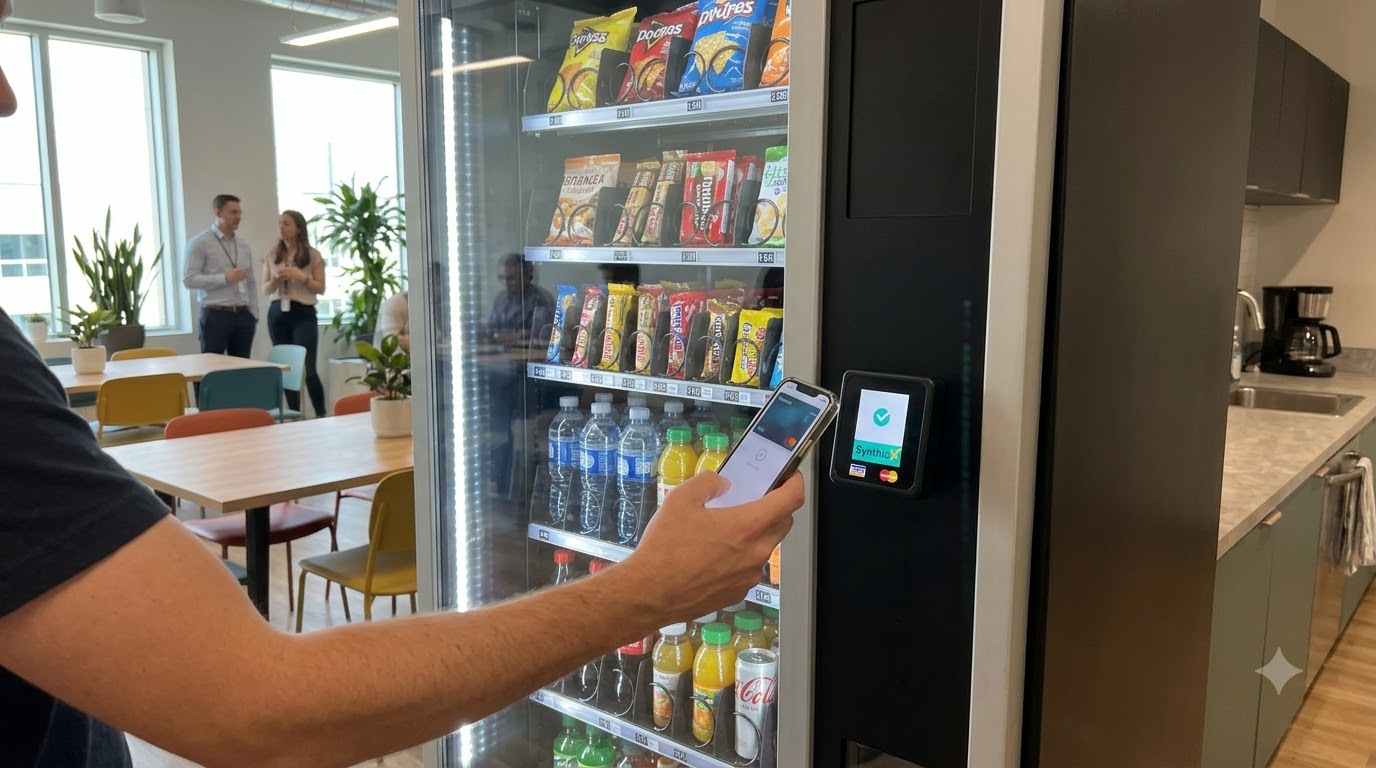
Are you looking for an accessible way to build passive income and take control of your financial future? Launching a vending business offers an attractive entry point into entrepreneurship. It requires lower startup capital than traditional brick-and-mortar storefronts, offers flexible working hours, and provides immediate cash flow.
To launch a successful vending business, choose a legal structure (like an LLC), purchase dependable equipment, secure high-traffic locations through professional contracts, stock high-margin products, and install modern cashless payment systems with telemetry tracking. With systematic planning and consistent inventory restocking, you can build a reliable automated retail route that scales quickly.
Automated retail continues to expand as consumers demand rapid, frictionless convenience. Whether you want to place a single snack machine at a local auto shop or build an automated retail empire across your city, this comprehensive guide explains every step of launching and growing a profitable vending business.
What All Is Required to Start a Vending Business?
Building a solid operational foundation prevents expensive mistakes later. You cannot simply drop a machine in a hallway and hope for profits. Instead, you must satisfy legal, operational, and financial requirements to guarantee your enterprise thrives.
1. Legal Formation and Licensing
Treat your venture as a professional corporate entity from day one:
- Business Structure: Register your venture as an LLC (Limited Liability Company). This separates personal assets from business liabilities and shields you from legal claims.
- Employer Identification Number (EIN): Secure an EIN from the IRS for banking and tax reporting.
- Business Bank Account: Open a dedicated commercial bank account to keep all income and operational expenditures organized.
- Operating Permits and Sales Tax Licenses: Most municipalities and states require a general business license along with a sales tax permit to collect taxes on food, drinks, and retail goods.
2. Startup Capital
You need sufficient capital to cover equipment purchases, initial inventory, location commissions, card readers, and an emergency repair fund. A single-machine startup generally requires between $2,000 and $5,000, depending on whether you purchase used equipment or brand-new digital units.
3. Equipment and Transport
You need dependable transport (such as a pickup truck, cargo van, or access to an equipment trailer) and moving equipment like an appliance dolly. Moving a 600-pound to 900-pound machine requires proper safety gear to avoid damaging property or injuring yourself.
4. Reliable Product Wholesalers
You cannot buy inventory at retail prices if you want healthy margins. Establish accounts with wholesale clubs like Costco or Sam’s Club, or partner with commercial food distributors to secure bulk discounts on drinks, snacks, and specialty items.
5. Smart Management and Telemetry Software
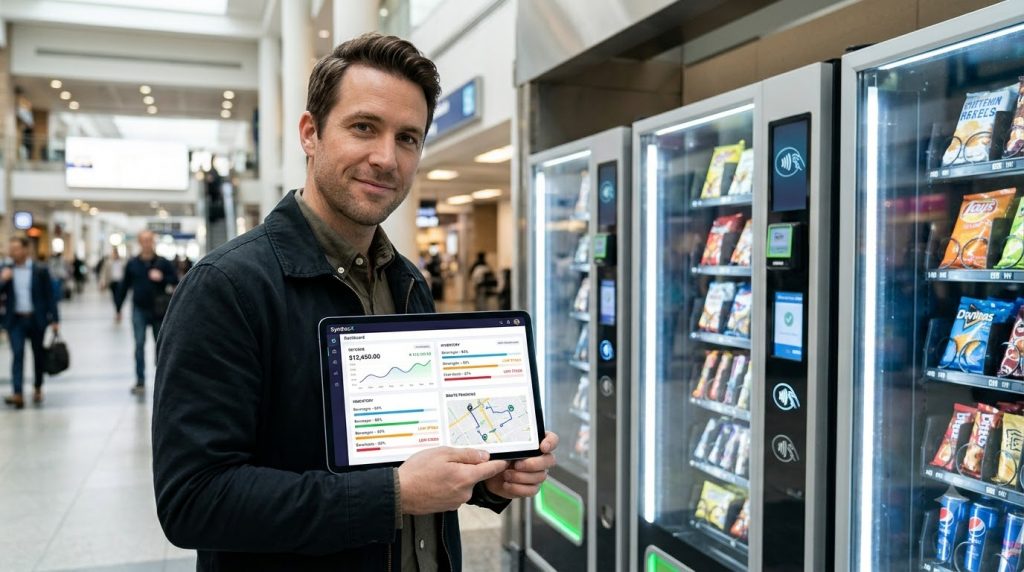
Modern vending operators no longer drive blind routes to check if a machine needs restocking. You need dedicated telemetry and enterprise management software. This is where SynthiaX serves as a complete solution for operators. By connecting your machines to the SynthiaX management platform, you track sales figures, monitor inventory depletion in real time, and route restock runs efficiently without wasting fuel or time.
Advantages of Refurbished Machines in Your Vending Business
When you begin researching hardware, you will discover that brand-new machines often cost between $4,000 and $9,000 each. For a new operator, sinking heavy capital into brand-new units slows down your break-even timeline. Sourcing quality refurbished machines provides distinct strategic advantages for your vending business.
+-------------------------------------------------------------------+
|               New Machines vs. Refurbished Machines               |
+-----------------------------------+-------------------------------+
| Feature                           | Refurbished Machines          |
+-----------------------------------+-------------------------------+
| Average Machine Cost              | $1,200 - $2,500               |
| Depreciation Drop                 | Minimal (already depreciated) |
| Break-Even Timeline               | 4 to 8 months                 |
| Modern Card Reader Compatibility  | Yes (via MDB conversion kits) |
| Parts Availability                | High and widely standardized  |
+-----------------------------------+-------------------------------+
Substantially Lower Upfront Investment
Refurbished machines typically cost 50% to 70% less than new models. Purchasing a commercial-grade, refurbished combo or beverage machine for $1,500 to $2,500 preserves cash flow. This low buy-in allows you to purchase two or three machines for the price of a single new unit, tripling your revenue footprint from day one.
Faster Return on Investment (ROI)
Because you invest significantly less capital per unit, your break-even horizon shrinks dramatically. While a brand-new unit may take 18 to 24 months to pay for itself, a properly placed refurbished machine often returns its entire purchase cost within four to eight months.
Simple Maintenance and Readily Available Parts
Classic models from renowned manufacturers like Crane National, Dixie Narco, AMS, and Vendo feature proven mechanical architectures. Replacement motors, bill validators, wiring harnesses, and drop sensors are widely available online at reasonable prices. Technicians know how to service these machines quickly, reducing operational downtime.
Seamless Modernization
Many beginners assume refurbished machines cannot accept modern digital payments. That is a myth. As long as the machine features an MDB (Multi-Drop Bus) protocol board, you can easily install credit card readers, tap-to-pay sensors, and modern telemetry modules. You get modern performance at a fraction of the cost.
Best Locations to Put Vending Machines
Location determines up to 90% of your retail performance. You can place the best machine filled with the most popular snacks in a quiet corridor, and it will lose money. Conversely, an average machine situated in a bustling breakroom will print cash daily. When expanding your vending business, target locations with steady foot traffic and captive audiences.
+-------------------------------------------------+
            |          Top Vending Machine Locations          |
            +-------------------------------------------------+
                                     |
         +---------------------------+---------------------------+
         |                           |                           |
         v                           v                           v
+------------------+       +------------------+       +------------------+
| Blue-Collar Hubs |       | Healthcare Sites |       | Multi-Unit Living|
| Warehouses       |       | 24/7 Hospitals   |       | Large Apartments |
| Auto repair shops|       | Urgent care rooms|       | Dormitories      |
+------------------+       +------------------+       +------------------+
1. Warehouses and Distribution Hubs
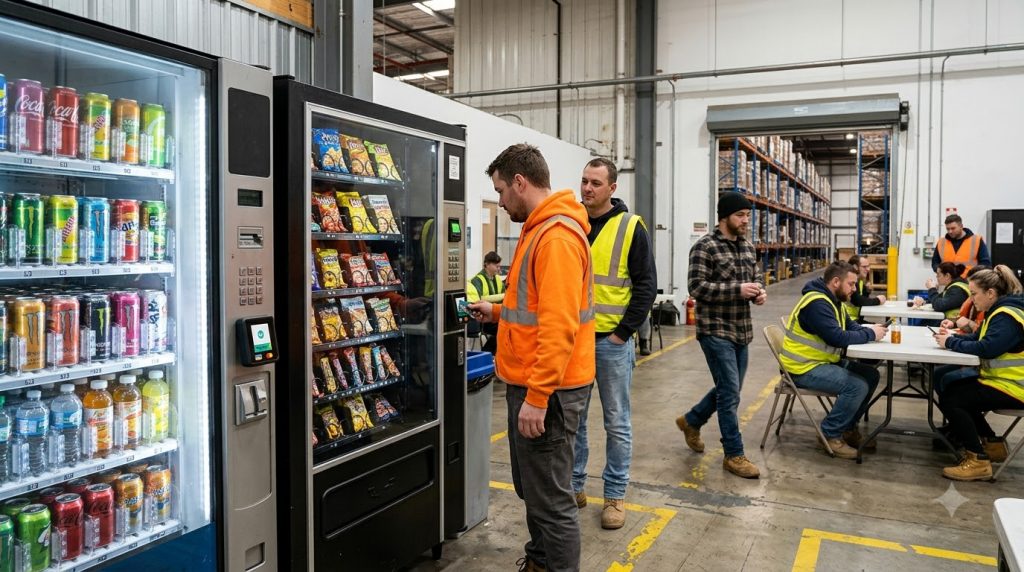
Blue-collar environments represent the premier gold standard for automated retail. Employees at manufacturing plants, shipping warehouses, and logistics centers work physically demanding shifts. They look for energy drinks, hydration beverages, and quick calories during short 15-minute breaks. Because workers cannot easily leave the facility during their shift, your machines face virtually zero outside competition.
2. Healthcare Facilities and 24-Hour Clinics
Hospitals, urgent care centers, nursing homes, and dialysis clinics operate 24 hours a day, 7 days a week. Staff members, visiting families, and waiting patients need late-night refreshments when cafeterias close. Placing combo snack and beverage machines in emergency waiting areas produces consistent, round-the-clock sales.
3. Auto Repair Centers and Car Dealerships
Automotive waiting rooms house captive consumers with nothing to do while waiting for vehicle inspections and oil changes. Providing premium coffee, cold sodas, and savory snacks creates a welcome service for customers while generating dependable revenue.
4. Apartment Complexes and Residential Communities
Large multi-family apartment communities with 150 or more units provide outstanding foot traffic. Target clubhouses, laundry facilities, fitness centers, and pool cabanas. Residents appreciate grab-and-go convenience late at night when grocery stores are closed.
5. Hotels and Motels
Budget and mid-range hotels that do not feature full room service or in-house restaurants are prime real estate. Guests crave cold bottled water, sodas, chips, and candy after long travel days. Place machines near elevators, lobbies, or ice stations for peak visibility.
What to Sell in Your Machines
Product selection is not about what you enjoy eating; it is about what your specific customer demographic purchases repeatedly. A well-curated product mix keeps inventory moving, maintains strong profit margins, and minimizes stale waste in your vending business.
+---------------------------------------+
                |        Optimal Machine Layout         |
                +---------------------------------------+
                |  Row 1: Chips, Pretzels & Popcorn     |
                |  Row 2: Pastries, Cookies & Crackers  |
                |  Row 3: Candy Bars & Fruit Snacks     |
                |  Row 4: Energy Drinks & Cold Sodas    |
                |  Row 5: Bottled Water & Iced Teas     |
                +---------------------------------------+
The Proven Best-Sellers
Standard snacks and beverages form the backbone of the automated retail industry. You should allocate the majority of your coils to staple items that carry universal appeal:
- Beverages: Coca-Cola, Diet Coke, Pepsi, Mountain Dew, Dr Pepper, bottled spring water, and Gatorade.
- Energy Drinks: Monster Energy, Red Bull, and Celsius. Energy drinks carry higher price points and deliver excellent profit margins.
- Salty Snacks: Doritos (Nacho Cheese and Cool Ranch), Lay’s Classic, Cheetos, Fritos, and pretzels.
- Sweet Confections: Peanut M&M’s, Snickers, Reese’s Peanut Butter Cups, Twix, and Skittles.
- Pastries and Cookies: Grandma’s Cookies, Pop-Tarts, and honey buns.
Niche and Specialty Inventory
Depending on your venue, you can pivot toward specialized product lines:
- Fitness Centers: Whey protein drinks, branched-chain amino acid (BCAA) cans, protein bars, and electrolyte powders.
- Corporate Office Buildings: Sparkling water, organic trail mixes, granola bars, cold brew coffees, and gluten-free snack packs.
- Schools and Community Centers: Fruit snacks, baked chips, popcorn, and low-sugar juices that satisfy local wellness policies.
Track sales patterns closely. Use real-time inventory management features from SynthiaX to identify slow-moving items immediately. If a specific chip brand sits untouched for three weeks, swap it out for a top-performing item to maximize revenue per coil.
How to Choose a Card Reader for Your Vending Business
Carrying cash is increasingly rare. Relying solely on coin mechanisms and dollar bill validators severely caps your earning potential. Equipping your machines with modern cashless payment hardware is mandatory if you want to grow a lucrative vending business.
+-----------------------------------------------------------------+
|                   Key Card Reader Requirements                  |
+---------------------+-------------------------------------------+
| Feature             | What to Look For                          |
+---------------------+-------------------------------------------+
| Hardware Support    | NFC contactless, Apple Pay, Google Pay    |
| Cellular Tech       | 4G LTE / 5G connectivity                  |
| Fee Structure       | 4% - 6% flat rate per transaction         |
| Management Software | Real-time telemetry, remote inventory     |
+---------------------+-------------------------------------------+
Look for Universal Payment Support
Your card reader must accommodate every way modern customers prefer to pay. Ensure the device accepts physical credit cards, debit cards, EMV chip contact, and NFC contactless payments like Apple Pay, Google Pay, and Samsung Pay. Contactless tap-to-pay options speed up transactions and encourage impulse purchases.
Prioritize 4G LTE and 5G Cellular Connectivity
Card readers rely on cellular networks to process payments and transmit operational telemetry. Avoid devices tied to outdated 3G signals or local Wi-Fi networks that require tricky guest network passwords. Select hardware with integrated multi-carrier 4G LTE or 5G SIM cards that automatically connect to the strongest regional cell tower.
Review Processing Fees and Monthly Subscriptions
Payment processing fees directly affect your take-home margins. Evaluate merchant fees thoroughly before signing an agreement:
- Transaction Fees: Most industry processors charge between 4% and 6% per swipe or tap.
- Monthly Gateway Fees: Card readers typically require a monthly subscription fee (usually $5 to $10 per device) to maintain cellular connectivity and cloud reporting.
Make sure your card hardware integrates smoothly with your overall business platform. Connecting your payment hardware with SynthiaX gives you complete financial visibility. It consolidates daily credit transactions, tracks cash collections, and helps audit your routes so no revenue slips through the cracks.
What to Avoid When Running a Vending Business
Avoiding rookie mistakes saves thousands of dollars and prevents burnout. Many ambitious entrepreneurs fail within their first year simply because they ignore fundamental business rules.
+---------------------------------------------------------+
       |             Critical Mistakes to Steer Clear Of         |
       +---------------------------------------------------------+
                                    |
     +-----------------+------------+------------+-----------------+
     |                 |                         |                 |
     v                 v                         v                 v
+---------+      +------------+            +------------+    +------------+
| Placing |      | Overpaying |            | Ignoring   |    | Skipping   |
| Without |      | on Fancy   |            | Routine    |    | Signed     |
| Traffic |      | New Units  |            | Expirations|    | Contracts  |
+---------+      +------------+            +------------+    +------------+
1. Placing Machines in Low-Traffic Locations
Never place a machine simply because a property owner grants easy access. If a building has fewer than 40 full-time employees or minimal pedestrian volume, you will struggle to break even. Always calculate foot traffic and dwell time before placing equipment.
2. Overspending on High-Tech Machines Early On
Do not finance expensive, touch-screen smart machines with digital advertising monitors during your initial launch. Heavy equipment debt suffocates cash flow during the critical early months. Start with cost-effective, dependable equipment to keep overhead low.
3. Neglecting Product Expiration Dates
Snacks expire, and stale pastries destroy customer trust. Check dates at every restocking visit. Rotate inventory using the first-in, first-out (FIFO) method: pull older products to the front of the coils and place fresh stock behind them.
4. Operating Without Signed Location Contracts
Never install equipment based on a handshake agreement. Management changes, buildings get sold, and properties change ownership. Always secure a signed, written placement contract that outlines:
- Space allocations and electrical access.
- Commission rates (typically 0% to 10% of gross profits, depending on location quality).
- Exclusivity rights as the sole vending provider.
- Clear 30-day to 60-day cancellation clauses and equipment retrieval procedures.
5. Running Routes Without Telemetry Data
Driving to a machine simply to check if it has sold inventory wastes precious time and fuel. Operators who monitor their routes without real-time tracking run inefficient, unprofitable routes. Use data-driven management tools to optimize your schedule, restock only when needed, and scale your operations smoothly.
Frequently Asked Questions (FAQ)
How profitable is a single vending machine?
A typical machine in a standard location generates gross revenues between $300 and $600 per month. High-performing locations like 24-hour manufacturing plants, major logistics warehouses, or large apartment buildings often generate $1,000 to $2,500 monthly. Net profit margins typically hover between 40% and 55% after accounting for inventory costs, card processing, and location commissions.
Do I need permission to put a vending machine on private property?
Yes. You cannot place a machine on private property without formal permission from the property owner, facility director, or property management firm. You must execute a written vending services agreement detailing power usage, commission sharing, liability terms, and location placement.
Is running a vending business truly passive income?
Operating a vending business is semi-passive rather than completely hands-off. While the machines make sales without your presence, you must regularly inspect machines, restock products, clean glass, update pricing, and resolve mechanical jams. As your route expands, you can hire route drivers or restockers to make operations fully passive.
Build and Scale Your Automated Retail Venture
Launching a vending business is one of the most accessible paths to building reliable recurring revenue. By starting with affordable refurbished hardware, securing high-density locations, and curating in-demand snack and drink inventory, you build an automated retail asset that pays you every single day.
Success in this industry depends on operational efficiency and reliable data. Avoid manual tracking and blind restocking runs from the very beginning. Leverage SynthiaX to streamline your inventory tracking, monitor machine telemetry, automate route planning, and scale your automated retail operations with confidence.
Take the first step today: register your enterprise, scout your first prime location, and let SynthiaX power your journey toward automated profitability!